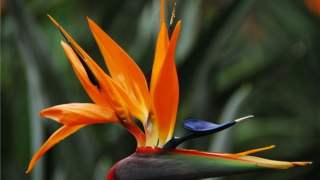
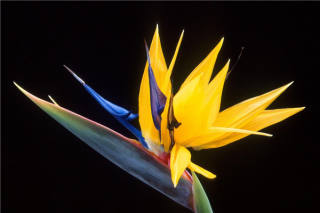
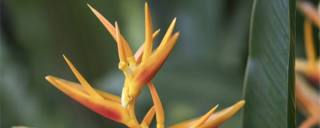
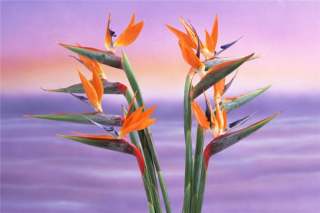
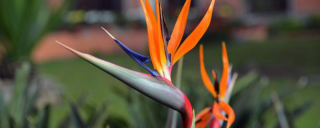
We, the Strelitzia genus, known to you as Birds of Paradise, hail from the lush, coastal forests and riverbanks of South Africa. In our native habitat, the air is thick with moisture, a constant, gentle embrace borne from warm temperatures and consistent rainfall. This evolutionary history is written into our very DNA. Our large, broad, and often leathery leaves are designed for high transpiration rates, a process where we release water vapor into the air through stomata on our leaf undersides. This system functions most efficiently in a humid environment, which reduces the rate of water loss and prevents undue stress. For us, humidity is not a luxury; it is a fundamental component of our well-being, directly impacting our physiological processes and overall structural integrity.
To truly thrive and not merely survive, we require a relative humidity level between 60% and 70%. Within this range, our stomata can open freely to facilitate robust gas exchange (taking in carbon dioxide and releasing oxygen) without risking excessive dehydration. Our leaves unfurl new growth more easily, remaining supple and achieving their maximum size and iconic, deep green gloss. This humidity level supports the vigorous metabolic activity needed to eventually produce our magnificent, crane-like flowers. It replicates the dewy mornings and moist evenings of our ancestral home, allowing every part of our being to function in harmonious balance.
When the air becomes too dry, typically falling below 50% humidity, our systems begin to struggle. The most immediate and visible sign is the browning and crisping of our leaf tips and edges. This occurs because the dry air pulls moisture from our leaves faster than our roots can replenish it, effectively desiccating the most vulnerable parts of our foliage. Beyond the cosmetic damage, chronic low humidity forces our stomata to close more frequently to conserve water. This severely hampers photosynthesis, our food-making process, leading to stunted growth, an inability to flower, and a general decline in vitality. We become weakened and far more susceptible to infestations from pests like spider mites, which actively seek out stressed plants in dry conditions.
While we are adaptable and can tolerate average household humidity levels around 40-50%, you will see a marked improvement in our health if you assist us. Grouping us closely with other plants is highly beneficial, as we collectively raise the humidity in our immediate vicinity through transpiration. Placing our pot atop a pebble tray filled with water (ensuring the pot's base never sits directly in the water) provides a constant source of evaporating moisture. For the most effective solution, especially in forced-air climates, a room humidifier operating nearby will consistently maintain the atmospheric conditions we crave. Regular misting of our leaves offers a temporary boost but is less effective than creating a sustained humid environment. Furthermore, keeping our broad leaves dust-free by wiping them with a damp cloth ensures our stomata remain unclogged and our photosynthetic surfaces can operate at peak efficiency.