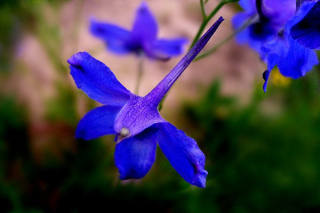
We sense the soil warming and the lengthening photoperiod, signaling our emergence from dormancy. Our new shoots, tender and hungry, push through the earth. This is a critical time for us to establish strong growth. We require ample moisture to fuel this rapid development, but our crown is susceptible to rot, so well-draining soil is non-negotiable. A balanced, slow-release fertilizer applied as we reach 4-6 inches in height provides the essential nutrients for robust leaf and stem production. Stake us early; our hollow stems are fragile and will snap in a sudden spring gust if left unsupported.
We channel all our energy into our magnificent flower spires. Intensive blooming is metabolically demanding. Consistent, deep watering is paramount, especially during dry spells; we prefer a deep soak at our base rather than frequent sprinkling, which can promote mildew on our foliage. To encourage a potential second bloom later in the season, you must deadhead us by cutting the spent flower spike back to a healthy set of leaves. This tells us to redirect energy from seed production back into growth and new flowers. We vigilantly watch for pests like slugs that find our young growth delectable and for powdery mildew that can mar our leaves in humid conditions.
As the light fades and temperatures drop, our growth slows. After the first hard frost blackens our foliage, it is time to prepare for rest. Do not fertilize us now; it would encourage tender new growth that would be killed by winter cold. Instead, cut our stems back to within a few inches of the ground. This helps prevent overwintering diseases and gives our crown a clean start for spring. In colder regions (USDA zones below 5), we appreciate a generous mulch applied after the ground freezes. A layer of straw or evergreen boughs placed over our crown insulates us from damaging freeze-thaw cycles, protecting the vital life just below the soil surface.
We exist in a state of suspended animation beneath the soil. Our energy is stored in our roots, waiting for the spring signal. Our primary need is for consistent cold and protection. The mulch applied in autumn is our blanket, shielding us from extreme temperature fluctuations that can heave our roots from the ground. The greatest threat during this period is not the cold itself, but wet conditions. Soggy, waterlogged soil around our crown will cause it to rot, ensuring we do not return. A well-drained site is our best defense. We wait patiently, dormant, gathering strength for the next cycle of growth.