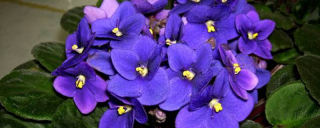
From our perspective as ZZ plants, we are often lauded as "indestructible," but this resilience is rooted in our evolutionary history. We hail from the arid grasslands and forests of Eastern Africa, where conditions are harsh and unpredictable. Consequently, our primary request is not for a single, perfect climate point, but for a stable environment that avoids extremes. Dramatic fluctuations in temperature and humidity are far more stressful than a consistently "good enough" setting.
We thrive in the same comfortable temperatures that you humans do. Our ideal temperature range is between 65°F and 85°F (18°C - 29°C). Within this bracket, our rhizomes—the potato-like storage organs at our roots—can efficiently manage energy, and our glossy leaves can photosynthesize effectively. We can tolerate temperatures dipping as low as 45°F (7°C) for very short periods, but this sends us into survival mode, halting all growth. Crucially, we are extremely sensitive to frost and cold drafts from air conditioners or leaky windows, which can cause rapid blackening and collapse of our stems.
Our thick, waxy leaf cuticle is a masterpiece of natural engineering, designed to minimize water loss. This means we are exceptionally adaptable to the humidity levels found in most homes and offices. We perform well in average relative humidity levels ranging from 40% to 60%. We do not require the humid conditions that many tropical plants crave. In fact, excessively high humidity paired with cool soil and poor air circulation can create an environment where fungal issues and root rot may develop, posing a significant threat to our health.
Temperature and humidity directly dictate our watering needs. In a warm, low-humidity environment, the soil will dry out more quickly, and we may signal for water a bit more frequently. However, in a cooler or more humid setting, our soil will remain moist for much longer. This is where most problems occur. Our rhizomes store ample water, making us incredibly drought-tolerant. The greatest risk to our well-being is overwatering, which is exacerbated by cool temperatures. Always allow the soil to dry out completely between waterings, and adjust your schedule based on the season and your room's conditions, not a fixed calendar.
We communicate our discomfort clearly. Yellowing leaves, particularly if they are soft and mushy, often signal overwatering combined with temperatures that are too cool for us to use the water effectively. Brown, crispy leaf tips can indicate air that is extremely dry, but this is rare and usually only occurs in forced-air heating environments in winter. Conversely, sudden leaf drop or black, mushy stems are a cry for help due to exposure to cold drafts or temperatures well below our tolerance level.