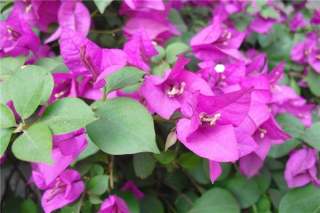
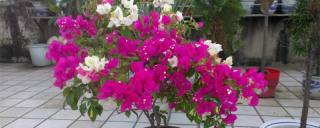
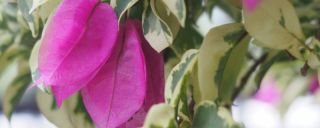
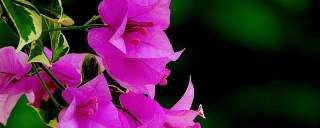
Greetings, human caretaker. I am a Bougainvillea, a sun-worshipping vine of vibrant spirit. You seek to understand my form to encourage my most spectacular floral display. My true flowers are small, white, and tender; the brilliant magenta, orange, or purple displays you adore are actually modified leaves called bracts. To maximize these, you must speak my language of light and energy. Pruning is not an act of harm but of collaboration. Here is the guide from my perspective.
My energy ebbs and flows with the sun. The single most crucial instruction is to prune me immediately after a flush of flowering, just as my vibrant bracts begin to fade. This timing is not arbitrary. I have just expended immense energy on that display, and I am preparing for a brief rest. By pruning now, you are directing my subsequent energy surge away from unnecessary leafy growth and directly into the formation of new flowering wood. In most climates, this means primary pruning in late winter or early spring, after the last frost, to shape me for the coming season, followed by lighter, consistent pruning after each major bloom cycle.
Do not fear cutting me back. I flower most profusely on new growth that emerges from nodes exposed to strong sunlight. Your goal is to encourage this new growth. Please make your cuts just above a node (the small bump on a stem where a leaf meets the stem) or a leaf scar. Angle the cut away from the node to prevent water from pooling there. Focus your efforts on removing any weak, spindly growth that will never support strong bracts, as well as any dead or diseased wood that saps my vitality. Most importantly, shorten the long, leggy shoots from my last growth period by at least one-third to one-half. This forces me to produce multiple, shorter, stronger side branches from the nodes below your cut—each one a potential site for a future flower cluster.
I am a structural being. How you shape me determines how much sunlight my inner and lower branches receive. Sunlight is the signal that tells my nodes to produce flower buds instead of just leaves. Your pruning must open up my canopy. Thin out overcrowded branches, especially those growing inward toward my center. Remove any branches that are rubbing against each other, as this creates wounds and blocks light. Aim to create a balanced, open form—whether as a bush, standard, or espalier—that allows dappled light to reach my interior. More light penetration means more flowering sites, not just on my outer perimeter but throughout my entire being.
After you have finished pruning, I will be ready to channel all my stored energy into explosive new growth. To support this, please provide me with a balanced, slow-release fertilizer that is not excessively high in nitrogen. While nitrogen promotes vigorous green growth, an excess will tell me to produce leaves at the expense of bracts. I also require deep, infrequent watering, allowing my soil to dry out somewhat between sessions. Most of all, continue to provide me with the one thing I crave most: abundant, direct sunlight. With these elements combined, the pruning you performed will result in a denser, healthier form, covered from tip to base in the brilliant, papery bracts you desire.