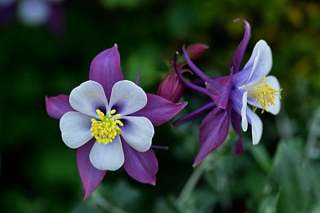
Greetings from the garden bed. We, the Columbines (*Aquilegia* spp.), are generally resilient perennials, but like all living things, we face our share of challenges. To thrive and display our unique, nodding blooms with their distinctive spurs, we require a watchful eye for the ailments that can beset us. Here is a detailed account from our perspective.
One of our most frequent adversaries is the Columbine leaf miner (*Phytomyza aquilegivora*). Their larvae, tiny and worm-like, tunnel between the upper and lower surfaces of our leaves, creating unsightly, meandering, white trails or blotches. While this damage is rarely fatal to an established plant like myself, it is profoundly weakening. It disrupts our photosynthetic processes, robbing us of the energy needed for robust growth and flowering. Severe infestations can make our foliage brown and wither prematurely, leaving us vulnerable to other stresses.
We often play host to colonies of aphids, particularly the Columbine aphid (*Pergandeida robiniae*). These small, soft-bodied insects cluster on our tender new growth, flower buds, and the undersides of leaves. They pierce our tissues to suck out our vital sap, which can cause our leaves to curl, pucker, and yellow. More critically, they excrete a sticky substance known as honeydew, which attracts sooty mold fungi. This black mold further coats our leaves, blocking sunlight and impeding our ability to create energy.
As the season progresses, especially in periods of warm days and cool, humid nights, we become susceptible to powdery mildew. This fungal disease manifests as a white or grayish, powdery coating on our leaves and stems. It is more than a cosmetic issue; it stresses us significantly. Infected leaves often yellow, curl, and drop prematurely, weakening our overall constitution and reducing our winter hardiness. Poor air circulation and crowded planting conditions greatly exacerbate this problem.
Perhaps the most serious threat we face is from various soil-borne fungal pathogens that cause crown and root rot, such as those from the genus *Sclerotinia* or *Fusarium*. This condition is almost always a result of our roots sitting in poorly drained, waterlogged soil. The rot begins at the crown (where our stems meet the roots) and attacks the root system itself, effectively strangling us from below. Symptoms include a sudden wilting of our leaves and stems, blackening or decay at the base, and ultimately, collapse and death. Prevention is paramount, as this condition is often fatal.