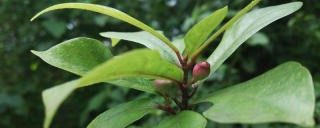
As a tropical species, *Ficus lyrata* has evolved to function optimally within a specific thermal range. Its metabolic processes, including photosynthesis, respiration, and transpiration, are all temperature-dependent. Ideal daytime temperatures for a Fiddle-Leaf Fig range from 18°C to 24°C (65°F to 75°F). Within this range, the plant's enzymes operate at peak efficiency, converting light into energy and fueling growth. Temperatures consistently below 15°C (59°F) significantly slow these metabolic functions, leading to stunted growth, leaf drop, and increased susceptibility to root rot. Conversely, prolonged exposure to temperatures above 27°C (80°F) can cause excessive transpiration, leading to moisture stress, wilting, and leaf scorch if not accompanied by increased humidity.
Humidity, or ambient moisture in the air, is paramount for a Fiddle-Leaf Fig's hydration and overall health. In its native West African understory, the plant enjoys humidity levels often between 60-80%. The plant's large, broad leaves have a high surface area, which leads to a high rate of transpiration—the process of water vapor loss through leaf stomata. In low-humidity environments (common in heated or air-conditioned homes), the rate of transpiration accelerates dramatically. This forces the roots to work harder to pull water from the soil to keep up with the loss, often leading to dehydration, crispy brown leaf edges, and leaf drop even when the soil is adequately moist. Maintaining humidity above 50% helps slow transpiration to a manageable rate, allowing the plant to remain properly hydrated.
These two factors are intrinsically linked in the plant's physiology. Warm air has a greater capacity to hold water vapor than cold air. Therefore, as temperature increases, the relative humidity decreases if no additional moisture is added. This is why a warm room can feel very dry. For the Fiddle-Leaf Fig, a rise in temperature without a corresponding rise in humidity creates significant stress. The plant may respond by closing its stomata to conserve water, but this also halts the intake of carbon dioxide needed for photosynthesis, effectively putting growth on hold. The ideal scenario is a stable, warm temperature paired with high humidity, mimicking the moist, warm air of its tropical habitat and allowing for uninterrupted physiological processes.
Perhaps as critical as maintaining the ideal range is avoiding sudden shifts. Fiddle-Leaf Figs are highly sensitive to environmental shock. A rapid drop in temperature from a cold draft near a window or an air conditioning vent can trigger severe leaf drop as the plant struggles to adapt. Similarly, moving a plant from a humid bathroom to a dry living room can cause immediate stress. Consistency is key. The plant thrives on predictable conditions where it can efficiently regulate its internal water balance and energy production without being forced to constantly acclimate to a changing environment.