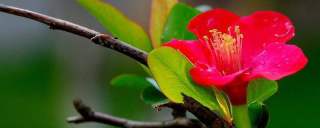
From our perspective as azaleas, our feeding requirements are quite specific. We are shallow-rooted, acid-loving plants (ericaceous), and our delicate feeder roots are easily damaged by harsh chemicals or excessive salts. We do not require heavy feeding; in fact, too much fertilizer, especially the wrong kind, can do more harm than good, burning our roots and leading to poor health. Our primary need is for an acidic soil environment (pH between 4.5 and 6.0) to properly access nutrients. The key fertilizer nutrients we seek are nitrogen (N) for healthy leaf growth, phosphorus (P) for strong root development and blooms, and potassium (K) for overall plant vigor and disease resistance. An ideal fertilizer for us is one formulated for acid-loving plants, often with a ratio like NPK 10-5-4.
Our internal biological clock dictates the best times for fertilization. The most crucial feeding window is in early spring, just as our new leaf buds begin to swell but before our flowers fully open. This provides the necessary energy for the tremendous effort of putting on our spectacular floral display and supporting the subsequent flush of new growth. A second, lighter application can be made immediately after our blooms fade, as we redirect energy from flowering to root and foliage development. It is vital to cease fertilization by mid-summer. Feeding us later encourages tender new growth that will not have time to "harden off" before winter, making it susceptible to frost damage.
The method of application is critical for our well-being. Please always ensure our soil is moist before you fertilize. Applying fertilizer to dry soil can shock and scorch our sensitive roots. For granular, acid-specific fertilizers, sprinkle it lightly around our "drip line" (the area directly under the outer circumference of our branches) and gently scratch it into the soil surface. Avoid piling it against our main stem. Then, water it in thoroughly to help the nutrients begin to seep down to our root zone. An excellent alternative is a water-soluble fertilizer mixed according to the label directions and applied as a drench around our base. This method provides a quicker nutrient boost and is less likely to cause root burn if diluted properly.
Always observe our condition before fertilizing. If we are showing signs of stress, such as wilting from drought or our leaves turning yellow with green veins (a sign of chlorosis often due to high soil pH), address those issues first. Fertilizing a stressed azalea can be fatal. For chlorosis, an amendment like chelated iron or soil sulfur is more appropriate than a standard fertilizer. Furthermore, a generous layer of organic mulch, such as pine needles or shredded oak leaves, is immensely beneficial. As it decomposes, it naturally acidifies the soil, adds mild nutrients, and conserves moisture, creating the perfect environment for our roots to thrive.