Understanding the optimal time and method for cutting an orchid flower spike requires an appreciation of the plant's natural growth cycle and energy allocation strategies. The decision directly impacts the plant's vitality and its potential for future blooming.
Following the energetically costly process of flowering, the orchid enters a recovery phase. The now-spent flower spike represents a significant investment of resources. From the plant's perspective, maintaining a green, living spike requires a continuous, albeit small, expenditure of water and nutrients. The primary goal for the plant is now to redirect all available energy towards root development and the production of new leaves, which are the fundamental organs for photosynthesis and future strength. The plant must rebuild its carbohydrate reserves to support not only its basic metabolic functions but also its next reproductive cycle.
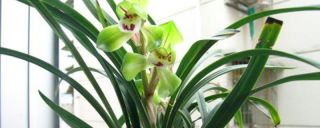
The decision is based on observing the spike's condition, which signals the plant's intentions. If the spike remains green and firm from base to tip, the plant may not have fully abandoned it. Some orchids, particularly certain Phalaenopsis varieties, possess the genetic potential to produce secondary blooms or keikis (plantlets) from nodes on the existing spike. This is a strategy for opportunistic reproduction without the full cost of generating a entirely new spike. However, this secondary effort can still divert energy from overall growth. If the spike begins to yellow, brown, or wither from the tip down, it is a clear physiological signal that the plant has initiated senescence (programmed death) of that structure. It is actively reabsorbing mobile nutrients and sealing off the tissue, making it ready for removal.
The method of cutting is crucial to prevent stress and infection. The plant must compartmentalize the wound. Using a sharp, sterile blade (such as a scalpel or pruning shears disinfected with rubbing alcohol or a flame) is non-negotiable. Crushing the tissue with dull, dirty scissors can introduce pathogens and create a large, messy wound that is difficult for the plant to seal. The ideal cut is made cleanly approximately one inch above the base node from which the spike emerged. This preserves a small protective buffer of old spike tissue, preventing the cut from being made directly into the plant's crown or stem, which could invite fatal rot. There is no need to apply sealants; a healthy orchid will naturally cork over the wound.
After the spike is removed, the plant's energy flow is now fully focused on its vegetative systems. This is the time to support that natural process. Continue providing appropriate light for photosynthesis, but perhaps slightly reduce fertilization intensity as the plant's immediate nutrient demands for flowering have ceased. A balanced, diluted fertilizer will support root and leaf growth. Proper watering remains critical to support new root development. With the spent spike removed, the plant can efficiently use its resources to strengthen itself, ultimately leading to a more robust blooming event in its next natural cycle.