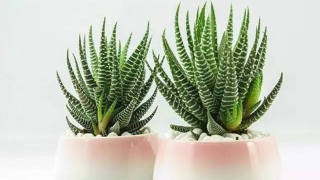
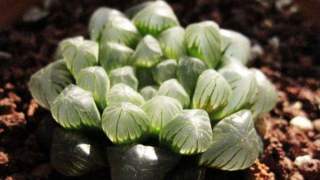
Before purchasing, it is crucial to understand the plant you are acquiring. Haworthia is a genus of small, succulent plants native to South Africa. They are renowned for their adaptability and low-maintenance nature, making them excellent choices for indoor gardeners. Their water-storing leaves, often featuring intricate patterns, stripes, or translucent "windows," are an evolutionary adaptation to arid environments. When shopping online, you are primarily seeking a plant that has been cultivated to be robust and free from pests, ensuring it arrives healthy and continues to thrive in your care.
When evaluating online listings, you must look for visual cues of plant health. A healthy Haworthia should exhibit firm, plump leaves that are characteristic of its specific species (e.g., the striped bands of Haworthiopsis fasciata or the bubbly windows of Haworthia cooperi). The coloration should be vibrant, not faded or yellowing, which can indicate improper light or watering. Crucially, the root system should be well-established; many reputable sellers include photos of the actual plant, including its roots, to demonstrate this. Avoid plants showing signs of mushy stems, black spots, or excessive stretching (etiolation), as these signal rot, disease, or insufficient light.
For the healthiest plants, specialized online succulent nurseries and dedicated Etsy shops are highly recommended. These sellers often operate as small businesses or hobbyists who prioritize the well-being of each individual plant. They typically ship bare-root, which is vastly superior for the plant's health during transit. Shipping bare-root minimizes the risk of soil-borne pathogens and prevents wet soil from sloshing around and damaging the plant or initiating rot. These sellers also tend to provide detailed information about the plant's history and specific care requirements, ensuring you receive a specimen acclimated to cultivation rather than one hastily mass-produced.
A truly healthy plant is also an ethically sourced one. Reputable online vendors practice sustainable cultivation, propagating their Haworthia through offsets (pups), leaf cuttings, or tissue culture. This is in stark contrast to suppliers who may source plants poached from their native habitats, a practice that devastates wild populations and often results in stressed, unhealthy plants that struggle to adapt to cultivation. When researching where to buy, look for sellers who explicitly state that their plants are "nursery-grown" or "field-grown from cultivated stock." This ensures you are receiving a resilient plant and supporting conservation efforts.
The health of your Haworthia depends on the care it receives immediately after unboxing. Upon arrival, carefully inspect the plant for any transit-related damage. Even a healthy plant will need a period of acclimation. Do not water it immediately. Instead, plant it in a well-draining succulent mix, ideally in a pot with a drainage hole. Place it in bright, indirect light and wait approximately 5-7 days before giving it a thorough watering. This allows any minor root abrasions to callous over, preventing potential root rot and ensuring a successful transition to its new environment.