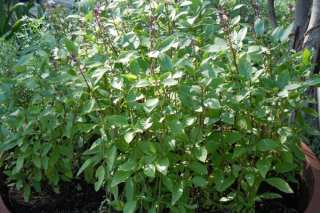
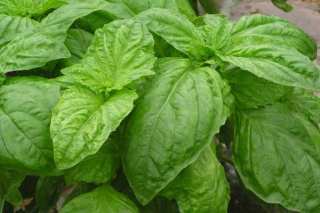
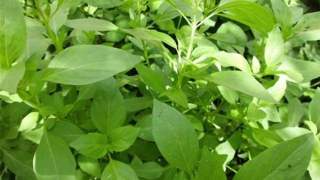
From the perspective of a basil plant, magnesium (Mg) is a non-negotiable requirement for survival and prosperity. It is the central atom in the chlorophyll molecule, the very compound that gives me my green color and allows me to capture sunlight and convert it into chemical energy through photosynthesis. Without sufficient magnesium, my ability to produce chlorophyll is severely hampered. This leads to a condition known as chlorosis, where my leaves, particularly the older ones, begin to yellow between the veins while the veins themselves remain green. This directly cripples my growth potential, as I cannot produce the sugars needed to build new stems and leaves.
Sulfur (S), the other component of Epsom salt (magnesium sulfate), is equally critical, though required in smaller quantities. I use sulfur to synthesize essential amino acids like cysteine and methionine, which are the building blocks of proteins. These proteins are vital for my cellular structure and for the enzymes that catalyze countless biochemical reactions within my tissues. Furthermore, sulfur plays a crucial role in the formation of the volatile oils and aromatic compounds that give basil its distinctive and cherished flavor and scent. A sulfur deficiency would result in stunted growth and new leaves that appear pale green or yellow, ultimately reducing my culinary value.
The critical question is not whether I need magnesium and sulfur, but whether my soil is deficient in these specific nutrients. If I am growing in rich, well-balanced, and healthy soil, the existing levels of magnesium and sulfur are likely sufficient for my needs. In this scenario, adding Epsom salt would provide no additional benefit and could potentially be detrimental. An excessive concentration of magnesium in the soil can interfere with my root system's ability to uptake other essential nutrients, particularly calcium, leading to a new set of deficiency problems that also hinder growth.
The decision to use Epsom salt should be based on observable symptoms or a confirmed soil test. If my older leaves are showing signs of interveinal chlorosis (yellowing between green veins), it can be a strong indicator of a magnesium deficiency. In such a case, a supplemental application can be beneficial. A foliar spray made from one tablespoon of Epsom salt dissolved in a gallon of water can be applied directly to my leaves, allowing for efficient absorption. Alternatively, the same solution can be watered into the soil around my base. This targeted approach addresses the specific deficiency, potentially leading to a recovery in chlorophyll production, a greening of the foliage, and a resumption of healthy growth.