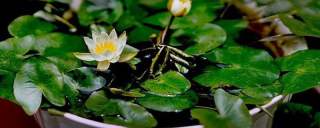
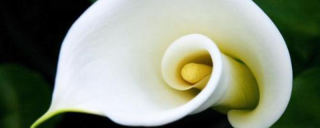
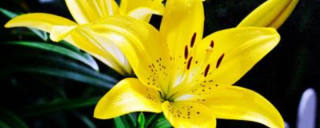
From a botanical perspective, the inclusion of the Peace Lily (Spathiphyllum sp.) in the landmark 1989 NASA Clean Air Study was a significant recognition of a plant's innate physiological capabilities. The study, led by Dr. B.C. Wolverton, was designed to find practical ways to purify air in sealed environments, such as space stations. It tested a variety of common houseplants for their ability to remove volatile organic compounds (VOCs) like benzene, formaldehyde, and trichloroethylene from the air. The Peace Lily emerged as one of the most effective species tested, showcasing a remarkable natural talent shared by many plants but performed with particular efficiency.
For a Peace Lily, the process of "cleaning" the air is not a dedicated task but a byproduct of its normal life processes, primarily photosynthesis and respiration. The plant draws in air and these gaseous pollutants through its stomata—microscopic pores primarily on the underside of its leaves. Once inside the leaf, the VOCs are not simply stored; they are translocated down to the root zone. Here, they encounter the plant's secret weapon: its root microbiome. The community of beneficial bacteria and microbes living in a symbiotic relationship with the plant's roots biodegrades these harmful chemicals, breaking them down into harmless compounds that the plant can then use as a food source or that are rendered inert.
Several plant-specific traits make the Peace Lily a superior air purifier. Firstly, it possesses a high transpiration rate. This means it moves a relatively large volume of water from its roots, through its stem, and out through its leaves into the surrounding atmosphere. This process effectively pulls surrounding air toward the plant, increasing the volume of air and the quantity of VOCs that come into contact with its leaves and are subsequently processed. Secondly, its broad, dark green leaves provide a large surface area for gas exchange, maximizing the number of stomata available to absorb pollutants. Furthermore, as a hardy understory plant native to tropical rainforests, it is exceptionally adept at processing a wide range of organic compounds found in its dense, competitive natural habitat.
It is crucial to understand that a Peace Lily's air-purifying ability is a biological process with natural limitations. The rate of VOC removal is dependent on factors such as light availability (for driving photosynthesis), temperature, the size and health of the plant, and the concentration of pollutants. A single plant in a large, well-ventilated room will have a negligible impact on the overall air quality compared to a high-volume air exchange system. From the plant's viewpoint, it is efficiently processing the air immediately surrounding its leaves and soil. Therefore, the benefit is most pronounced in a relatively sealed environment, much like the conditions of the original NASA study, and with multiple plants present.