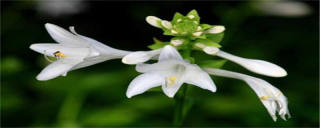
From down here in the soil, I can feel the problem starting before you see it above ground. It begins with my roots, the very foundation of my being. They become soft, mushy, and turn a dark brown or black instead of a healthy white. This rot prevents me from drawing up the water and nutrients I desperately need. You might notice my leaves—my pride and joy—beginning to yellow, wilt, and collapse, often starting with the older, outer leaves. The growth at my center may become stunted. A tell-tale sign is a foul, decaying smell emanating from my crown, the area where my stems meet the roots. This is a clear distress signal that the fungal pathogens, like *Phytophthora* or *Sclerotium*, are actively destroying my tissues.
If you suspect I am suffering, you must act quickly. Gently dig around my base and lift my entire root ball from the soil. Be as gentle as possible; I am already very stressed. Carefully wash the soil from my roots with a gentle spray of water. This will allow you to see the full extent of the damage. Now, with a sharp, clean pair of pruners (sterilized with rubbing alcohol or a 10% bleach solution between each cut), you must remove all the soft, rotten roots and any parts of my crown that are affected. Cut back into healthy, firm, white tissue. This feels like a major surgery to me, but it is necessary for my survival. It is better to remove too much rot than to leave any behind, as it will continue to spread.
I cannot go back into the same contaminated soil. If you are replanting me in the garden, you must choose a new location with excellent drainage. Amend the planting hole with compost or other organic matter to improve the soil structure. If my condition was severe, or if the garden soil is consistently soggy, consider giving me a temporary home in a clean pot. The pot must have excellent drainage holes and should be filled with a fresh, sterile, and well-draining potting mix. Do not use garden soil in the pot, as it likely contains the same pathogens. When you replant me, set my crown at the same soil level it was growing at before; planting too deep will only encourage the rot to return.
My two greatest enemies are excessive moisture and poor air circulation. To help me recover and prevent a recurrence, you must become mindful of watering. Water me deeply but infrequently, only when the top inch or two of soil feels dry. Always water at my base, avoiding wetting my foliage, especially in the evening. Ensure my planting site is not compacted; the soil should be loose and airy. If I am surrounded by other plants, please thin them out to allow a breeze to pass through. This reduces humidity around my leaves and crown, making it a less hospitable environment for the fungal spores. A layer of light, airy mulch like pine needles or shredded bark can help maintain even soil moisture but keep it away from directly touching my crown.