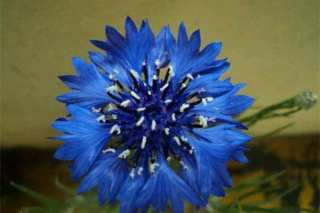
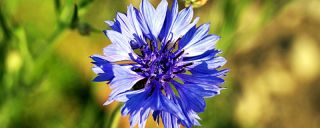
Cornflower, botanically known as Centaurea cyanus, is an annual flowering plant native to Europe but successfully naturalized and cultivated across many American regions. From a plant's perspective, its lifecycle is perfectly attuned to a single growing season, meaning it germinates, flowers, sets seed, and dies within one year. This makes it an excellent candidate for cutting, as harvesting its blooms does not damage a perennial structure. The plant's famed intense blue hue (though cultivars now offer pink, white, and purple) is not just for human admiration; it is a highly effective beacon for its primary pollinators, bees and butterflies, guiding them to its nectar and pollen-rich disc florets.
To produce the robust, long-stemmed flowers ideal for cutting, the cornflower plant requires specific conditions that mimic its original grassland habitat. It thrives in full sun, requiring a minimum of 6-8 hours of direct sunlight daily to develop strong stems and vibrant flower color. The plant prefers well-draining soil and is notably drought-tolerant once established, as its deep taproot seeks moisture from lower soil levels. However, consistent moisture during the germination and early growth stages is crucial for healthy development. Overly rich soil or excessive fertilizer can lead to lush foliage at the expense of blooms, so a moderate approach to feeding is best. Providing these conditions will result in plants with the structural integrity and vitality needed for a long vase life.
The timing of the cut is critical from the plant's physiological standpoint. The optimal moment to harvest cornflowers is in the cool of the early morning or late evening when the plant's tissues are fully hydrated. Select blooms that are just beginning to open, where the central disc florets are partially visible. Cutting a flower at this "half-crack" stage ensures it has fully developed but will still have its entire vase life ahead of it. Using sharp, sanitized shears or a knife, make a clean, angled cut on the stem, approximately one inch above a set of leaves to encourage the plant to produce more side shoots and subsequent blooms. This clean cut prevents crushing the stem's vascular tissues (xylem and phloem), which are essential for water uptake post-harvest.
Immediately after cutting, the flower begins to experience water stress. To mitigate this, plunge the stems immediately into a bucket of warm water. As a plant, the cornflower's xylem vessels are now working to pull water up the stem to the flower head. Recutting the stems underwater (a process known as hydraulic conditioning) prevents air embolisms from blocking these delicate vessels, ensuring uninterrupted water flow. Removing any foliage that will sit below the waterline in the vase is essential, as submerged leaves will decompose rapidly, promoting bacterial growth that can clog the stem and shorten vase life. Adding a commercial floral preservative to the vase water provides sugars for nourishment and biocides to keep the water clean, effectively extending the flower's metabolic processes and showcasing its beautiful form for 7-10 days.