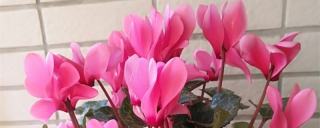
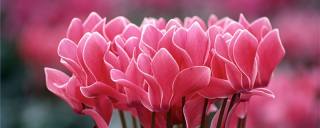
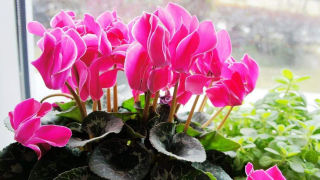
From our point of view as cyclamen plants, the tuber is our lifeline. It is not a seed that needs to be buried and forgotten. We are a geophyte, meaning our life force is stored in this swollen, underground stem. This tuber holds all the energy and water we need to survive periods of dormancy and fuel our next growth cycle. Burying us too deeply is a grave mistake. It forces our growth point (the top, where all new leaves and flowers will emerge) to expend a tremendous amount of precious stored energy just to fight its way to the soil surface. This can leave us weakened, susceptible to rot, and may even prevent us from flowering altogether. You are essentially burying our potential.
The most crucial instruction you must follow is to not submerge our entire being. Look at our tuber carefully. You will see a slightly bumpy, textured top side. This is our crown, and from here, all new growth will originate. The bottom is typically smoother and may have remnants of old roots. When planting, place us in the soil so that the top half to two-thirds of the tuber remains above the soil level. Our "shoulders" and crown must sit exposed to the air and light. A good rule of thumb is that if we were a hamburger, you would only bury our bottom bun. This elevated position allows for adequate air circulation around the crown, which is vital for preventing rot caused by overly wet soil settling on our growth points.
While depth is paramount, the medium you place us in is equally important for our well-being. We demand exceptionally well-draining soil. A mix designed for cacti and succulents or a standard potting mix amended with plenty of perlite, pumice, or horticultural grit is ideal. Our native habitat is often rocky hillsides, and we are adapted to conditions where water never pools around our base. When you place us in the pot, ensure the old root scars on the bottom of the tuber are in contact with the soil. Our new roots will grow from these points and from the sides, anchoring us and drawing up water and nutrients. The pot itself should have excellent drainage holes. Water us thoroughly after planting, but always allow the soil to dry out somewhat between waterings.
If you bury us too deep, you are working against our natural design. The consequences are severe from our perspective. The constant moisture and lack of air around our crown create a perfect environment for fungal and bacterial pathogens, leading to soft rot that can consume us from the inside out. Furthermore, the immense effort required for our flower stalks to push through several inches of soil can exhaust our energy reserves. You may see weak, yellowing leaves that fail to properly unfurl, or you may see no growth at all as we languish and eventually perish underground. For us to reward you with our unique, upswept flowers that look like fluttering butterflies, we need you to respect our need to sit high and proud in the soil.