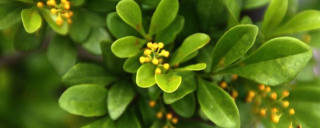
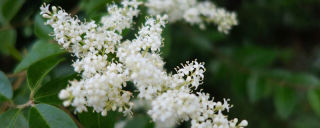
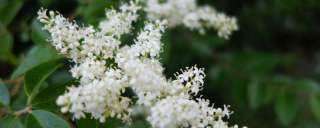
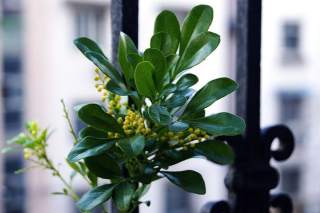
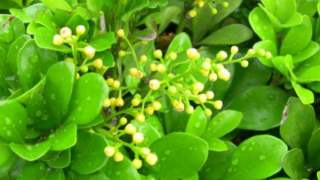
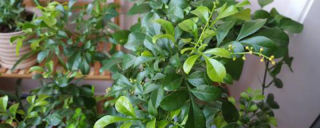
Aglaia odorata, commonly known as Chinese Perfume Plant, Mock Lemon, or Chinese Rice Flower, is a tropical evergreen shrub or small tree belonging to the Meliaceae (mahogany) family. It is highly valued in horticulture for its dense, glossy green foliage and particularly for its tiny, intensely fragrant yellow flowers that bloom in panicles. The scent is often described as sweet, honey-like, and reminiscent of citrus blossoms, which is the origin of its "Mock Lemon" common name. It is frequently cultivated in gardens in warm climates and as a container plant in temperate regions.
From a botanical perspective, the primary concern regarding the toxicity of Aglaia odorata to pets lies in the specific class of chemical compounds it produces. Plants in the Meliaceae family are known for their complex biochemistry, often producing various secondary metabolites as a defense mechanism against herbivores. While a comprehensive toxicological profile specifically for Aglaia odorata in relation to common pets is not as extensively documented as it is for plants like lilies (Liliaceae) or azaleas (Ericaceae), it is not classified among the most common highly toxic plants for cats and dogs by major animal poison control centers.
The general consensus among veterinary resources is that Aglaia odorata is considered to be of low toxicity. Ingestion of plant material (leaves, stems, or flowers) may cause mild gastrointestinal upset in some animals due to the irritation caused by plant saps and unfamiliar compounds. The most likely symptoms, if any were to occur, would be self-limiting and include mild vomiting, diarrhea, or drooling. However, it is crucial to note that individual animal reactions can vary. A pet's size, overall health, the amount ingested, and individual sensitivity play significant roles in the potential reaction. Furthermore, the plant is not known to contain compounds that cause severe, life-threatening systemic toxicity such as cardiac glycosides or insoluble calcium oxalate raphides found in other common toxic plants.
Despite its generally low toxicity rating, prudence is always advised. The safest approach for pet owners is to prevent ingestion entirely. This can be achieved by placing the plant in an location inaccessible to pets, such as on a high shelf or in a room the animals cannot enter. Regularly picking up any fallen leaves or flowers will also minimize the risk of curious pets nibbling on them. If an animal is observed consuming a significant portion of the plant, or if it exhibits signs of distress such as persistent vomiting, lethargy, or loss of appetite after being near the plant, it is recommended to contact a veterinarian or a pet poison helpline immediately for advice, providing the specific name of the plant.