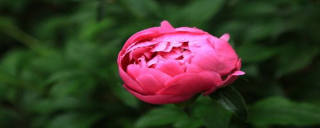
From a botanical perspective, cutting a Paeonia lactiflora flower at the correct stage of development is paramount for its vascular system to function effectively in a vase. The ideal moment is at the "soft bud" or "marshmallow" stage. At this point, the bud will have begun to show its true color, having moved past a tight, green, hard bud stage. Most critically, when gently squeezed, it should feel soft and yielding, much like a marshmallow. This indicates that the flower's internal hormonal signals, particularly ethylene and auxins, have initiated the complex process of flower opening. Cutting at this stage ensures the bud is mature enough to open fully after being severed from the plant's resource network but is not so advanced that its post-harvest lifespan is drastically shortened.
The act of cutting the stem instantly severs the flower's connection to its water and nutrient source from the root system. This creates an air embolism (an air bubble) in the xylem vessels, the plant's water-conducting tissues. To prevent this embolism from blocking water uptake, it is essential to cut the stems under a basin of lukewarm water. This water layer acts as a barrier, preventing air from being sucked into the vascular system. Immediately after cutting, the stems should be placed directly into a deep vase or bucket of water. This practice ensures the xylem vessels remain filled with water, maintaining the necessary transpirational pull and allowing the flower to rehydrate efficiently, preventing wilting before it even begins to open.
Once the stems are hydrated, further preparation is required to maximize their longevity. Using a sharp, clean knife or pruners is crucial. A clean cut prevents crushing the vascular tissues, which would impede water flow. Cut the stem at a 45-degree angle; this increases the surface area for water absorption and prevents the stem from sitting flat on the bottom of the vase, which would block water uptake. Remove any leaves that will fall below the waterline in the vase. Submerged foliage will decay rapidly, promoting the growth of bacteria and fungi (like Botrytis cinerea) that will colonize the water, multiply, and clog the stem's vascular tissues, drastically shortening the flower's vase life.
The ability of a cut peony flower to develop and persist relies on its stored carbohydrate reserves, primarily in the stem. The plant has invested significant energy into these floral structures. To prevent the rapid depletion of these finite resources, place the arranged vase in an appropriate environment. Keep it away from direct sunlight, heating vents, ripening fruit, and drafts. Sunlight and heat accelerate transpiration (water loss) and respiration (sugar consumption), causing the flower to metabolize its energy stores too quickly. Ripening fruit emits ethylene gas, a plant hormone that triggers senescence, promoting petal drop and wilting. A cool, dim location mimics the plant's natural preference and conserves its energy for display.