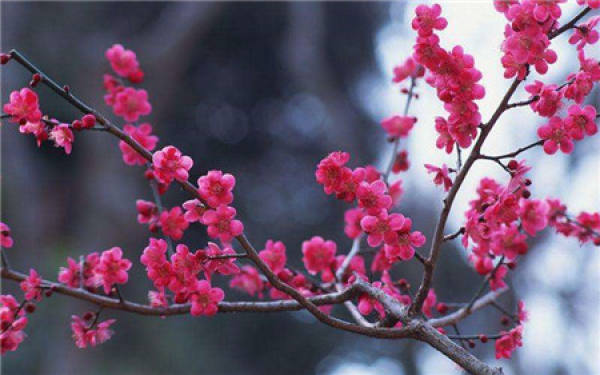
When it comes to new year's Day flowers, the first one is plum blossom. Most of the poems in winter are written in plum blossom. Therefore, the origin of plum is in the south. It has a long history to pay attention to its planting. Therefore, plum has a high value both in ornamental and as a plant. In China, plum blossom can not only be planted in a pot, but also can be used as an ornamental and even as an extract of fragrance.
Extracting his flowers, leaves and roots can become medicine at the same time. The medicine made of plum blossom is very natural. It has the function of quenching thirst and is also very helpful for diarrhea. Plum, orchid, bamboo and chrysanthemum are important representatives of Chinese literati, so their status from ancient times to now is very high.
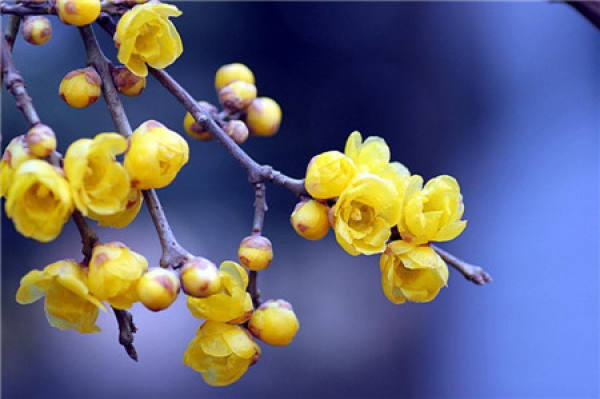
The second thing we want to talk about is another winter flower that is often mentioned with plum blossom. In winter of our country, wintersweet is a very common plant. It is also praised by literati for its tenacity and tenacity. In poems, there are often hot girls, so wintersweet is often compared to soldiers in winter. Similarly, his fragrance is striking and overflowing, which can add a lot of beauty and warmth to the cold winter. At the same time, wintersweet is also praised for its characteristics.
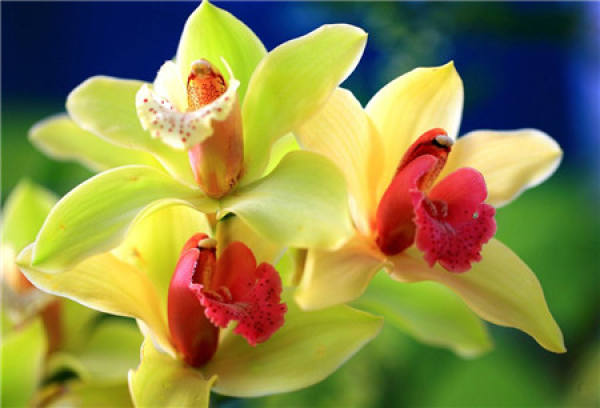
Orchid is also one of the few blooming flowers in winter. Because orchid has no eye-catching color, it is just a common form, but there is a trace of extraordinary purity in its concealment, so it is deeply loved by Oriental people. It is for this reason that orchids are widely used in potted plants. It is a very good choice for people's home decoration, and also has a very high appreciation value.
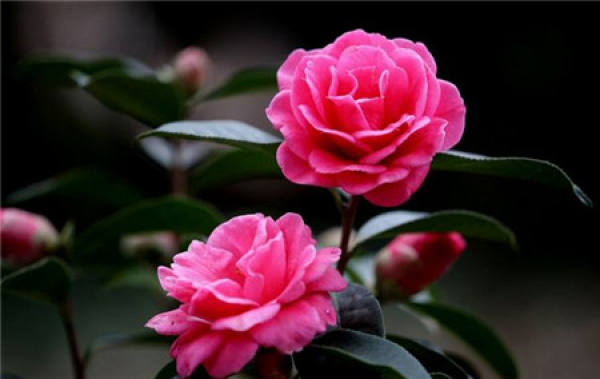
The last one is camellia. Camellia not only has a dignified and elegant appearance, but also symbolizes love. Camellia generally grows in winter and can resist the cold. First of all, Camellia has a little special function: it can absorb CO2 and is suitable for cultivation at home. Finally, it's very interesting that camellia can extract its petals. In many cosmetics, it often extracts the ingredients from its petals to achieve the effect