In early spring, transfer the seedlings of Hydrangea to the basin, and match the soil before that. There are three ways:
The mixture of rotten leaf soil, garden soil, river sand and cake fertilizer was 4:3:2:1.
Or compost, sand and cake fertilizer shall be mixed in the proportion of 4:5:1.
Or rotten leaf soil, sand soil (or furnace ash), cake fertilizer according to 6:3:1 mixed soil.
Baxianhua is fond of fertilizer. In the growing period, cake fertilizer is applied once every 15 days or so. In budding stage, it is necessary to apply fertilizer for 1-2 times, mainly superphosphate soaking solution, to promote flower color.
Of course, fertilization also plays an important role in reconciling the soil. Hydrangea likes acid soil, but the water in the home is neutral. Long-term watering will reduce the acid of the soil. Therefore, ferrous sulfate can be added properly during fertilization to turn it into alum fertilizer for irrigation and improve the acidity of the soil.
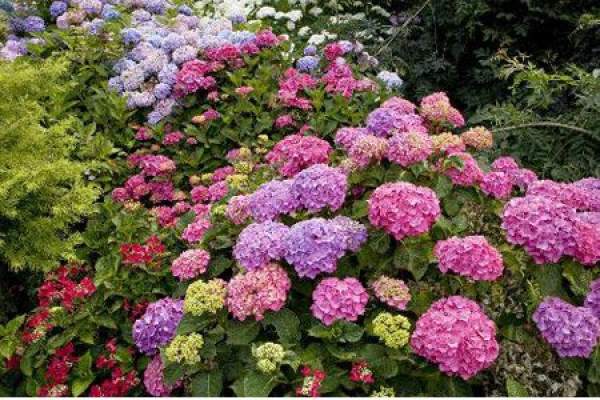
The leaves of Hydrangea are plump, the flowers are gorgeous and require more water. But the hydrangea is a fleshy root. It can't accumulate water in the basin. It's easy to rot. look at the watering requirements of Hydrangea in different periods:
Water frequently in spring and summer to keep basin soil moist, especially in high temperature period in midsummer. Water once in the morning and once in the evening. Pay attention to proper shade at noon.
From May to August, besides watering, it is also necessary to spray water on the leaf surface.
After September, the weather is getting cold, so we should reduce the amount of water, promote the healthy branches and promote dormancy. In winter, dormancy reduces watering (no watering if you can), and keeps the basin soil slightly wet.
Hydrangea likes Yin but not Yang. It should be placed in the half shade in the spring, and the plants should be placed in the well ventilated shade in the summer to prevent burning in the hot sun. After September, the light is getting weaker. Put the plant in a bright place to promote flower bud differentiation!
The most suitable temperature for the growth of Hydrangea is 18-28 ℃, which can not be lower than 5 ℃ in winter. After flower bud differentiation, put it in 5-7 ℃ environment for 6-8 weeks, it can bloom, after flowering, raise the temperature, stabilize it at about 16 ℃, it can extend the flowering period. During flowering, the temperature should not be too high, which is easy to fade flowers.
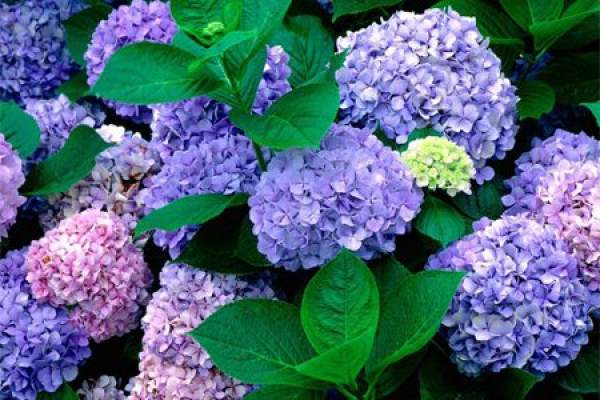
Hydrangea like acid soil, not resistant to barren, in alkaline soil will grow bad, yellow branches and leaves. Flower color is also affected by soil pH.
In the first ten days of October, the plants should be moved to the room for maintenance, and the water should be properly controlled to keep the temperature at 5 ℃ to promote their dormancy. Remove some leaves before moving indoors to avoid rotten leaves and infection.
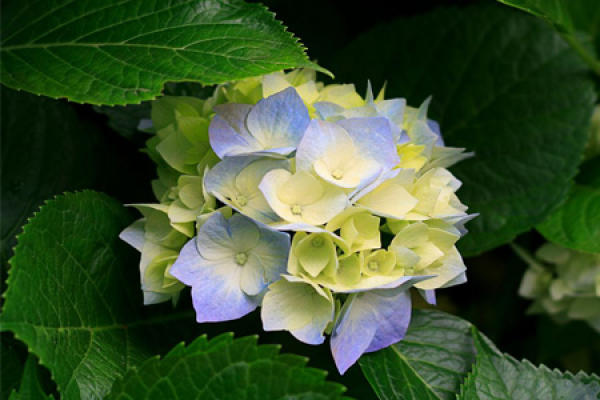
In the growing period, it is usually topped twice to promote branching. After flowering, the old branches were cut short to control the height of the plant. Before winter, the plant should be cut short again, which is good for overwintering.