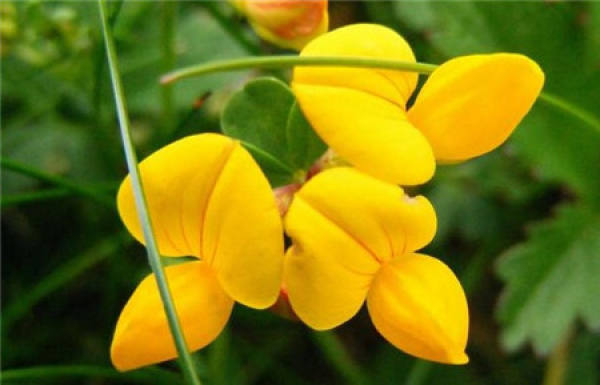
Baimaigen likes suitable light, can't bear shade, likes warm climate, can't bear cold. In order to breed the root, it is necessary to give long sunshine and enough sunshine time for it to bloom well. If the sunshine time is short, it will reduce the flowering and creeping growth. The suitable temperature for the growth of bermudagrass is 18 ℃ - 25 ℃, and the temperature for flowering is 21 ℃ - 27 ℃. In winter, if the temperature is too low, it is easy to be damaged by freezing. Below - 3 ℃, it will make the rhizome and leaves wither. It has the ability of heat resistance.
Bermudagrass likes to be wet. After planting, we should pay attention to give the plant sufficient water to meet its growth needs, and apply fertilizer reasonably. In fact, there is a large demand for multi fertilizer of bermudagrass. When planting, it is necessary to apply sufficient base fertilizer first. Organic fertilizer or some phosphate fertilizer can be used. Before applying fertilizer, sprinkle water to accumulate it, ferment it for a while, and apply mature fertilizer and water.
Bermudagrass likes fertile and irrigated soil. Clay, sandy soil, acid soil and slightly alkaline soil are all the soil that bermudagrass can choose. Bermudagrass can bear thin and barren soil and can grow in thin and barren soil. But the best soil is deep, fertile, good drainage sandy soil.
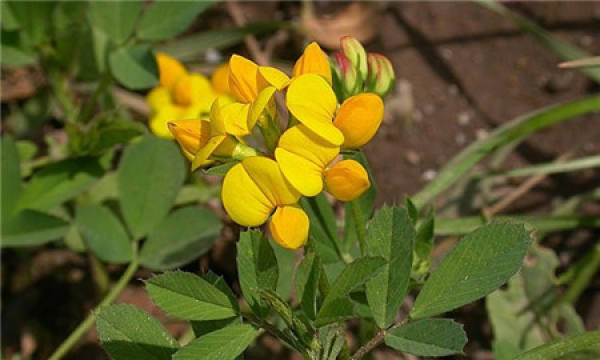
In the process of growth, there are many kinds of diseases and insect pests, such as grey mould, Sclerotinia, white silk, powdery mildew, rust, black spot, etc.; the main pests are red spider, aphid, grub, scale insect, alfalfa armyworm, whitefly, etc.
The propagation of bermudagrass is mainly sowing propagation, but also cutting, propagation is relatively simple.