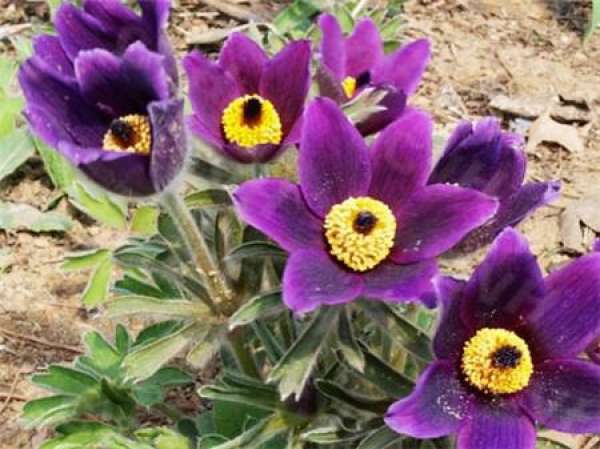
The Pulsatilla chinensis is suitable for growing in the soil with deep soil layer and good drainage performance. The sandy soil or clayey soil can be used, and sufficient base fertilizer can be added.
It likes sunny growth environment, afraid of strong light, like cool, strong cold resistance, relatively afraid of high temperature. The suitable temperature for its growth is between 10 ℃ and 21 ℃. In summer, the temperature is high and the sun is strong. You can put the potted plants of Pulsatilla in a cool place, shade them, and spray water around the plants of Pulsatilla to reduce the temperature, so as to create a small environment suitable for Pulsatilla. In winter, we should pay attention to heat preservation and put the potted plants of Pulsatilla in the room that can touch the sunshine for winter.
It is necessary to combine watering and fertilization in the maintenance process of Pulsatilla, and do a good job in water and fertilizer management. Pulsatilla likes fertilizer, but it doesn't choose fertilizer. When applying fertilizer, it needs to apply some basic fertilizer when planting, and then it can apply mature liquid fertilizer every half a month in the growth period. When applying fertilizer, it is necessary to combine with watering to make the basin soil moist. Due to its salt and alkali resistance, it is necessary to apply some ferrous sulfate to promote its growth; in the process of maintenance, attention should be paid to avoid the phenomenon of excessive growth, control watering and reduce fertilization, so as to make the pulsation flower as soon as possible.
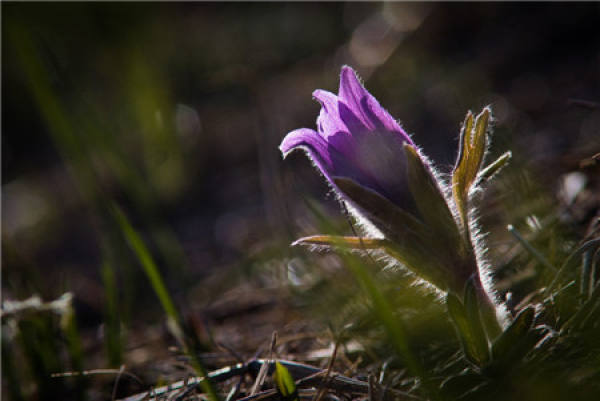
In the breeding process of Pulsatilla chinensis, it will encounter some diseases and insect pests, such as root rot, mostly due to water accumulation. In the maintenance process, it is necessary to prevent water accumulation and spray some drugs in time; the main pests are aphids, which suck the buds and leaves of Pulsatilla chinensis, causing great harm.
The Pulsatilla is mainly propagated by means of branch propagation and sowing propagation. Branch propagation is carried out in autumn. Sowing propagation can be carried out in spring or autumn.