1. Soil: Kaempferia like to grow in the mild, moist and water-efficient soil. Generally, loose and fertile sand is the best
2. Water content: it is wet loving. After planting, it should be timely watered to make the soil layer wet. But can't have seeper to want drainage to get rid of waterlogging, ability makes its better growth..
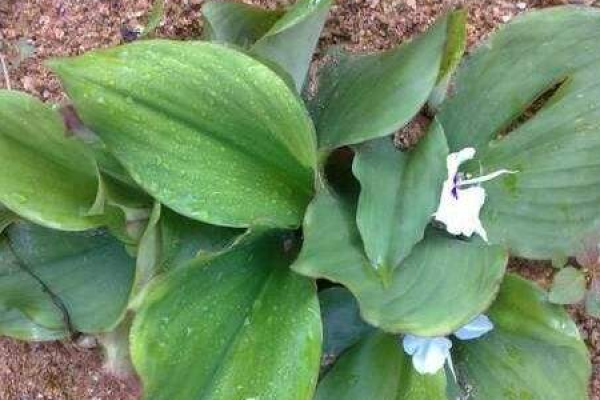
3. Nutrients: before planting, it is necessary to sprinkle some phosphate fertilizer on the soil layer, and then turn the whole soil layer. To make the soil level, after planting can make it better absorb nutrients
4. Light: it likes the place with sufficient and moderate light, which makes its branches and leaves vigorous and healthy. But in summer can not make the light is also strong, strong notes to make its branches and leaves sunburn.
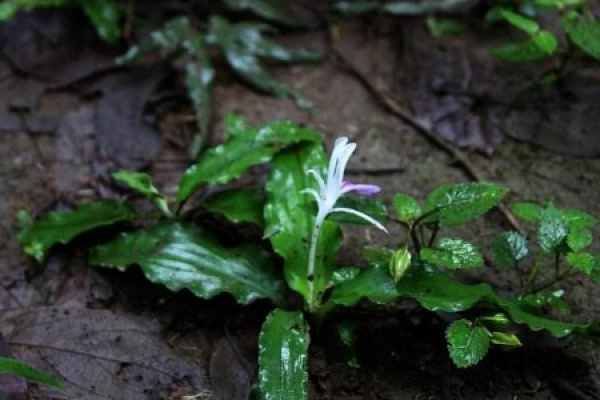
1. Pruning: cut off the withered and yellow branches and leaves from time to time. The cut branches and leaves shall be cleaned to avoid absorbing the nutrients in the soil, so as to prevent the growth of other branches and leaves from being hindered.
2. Propagation: generally, rhizomes are selected for propagation, healthy rhizomes are selected and dried, and dry places are selected for indoor storage. Then plant the tuber in the soil with nutrients, and spray some water. It will take about seven days to see the sprouts grow.

1. Leaf spot: leaf spot usually occurs after planting, which can be avoided under protection during planting. Spray some antibacterial agent in the soil layer, when there is rain, timely drainage of water can be avoided
2. Rodent damage: Chennai is easy to cause rodent damage, especially at night when rats will come out to eat Chennai and its roots. At this time, you can put some mouse clips, stickers and drugs in the field to trap and kill the mice. After the trapping, you should clean up the mice in time to avoid the mice rotting in the ground and affecting the growth of Chennai.
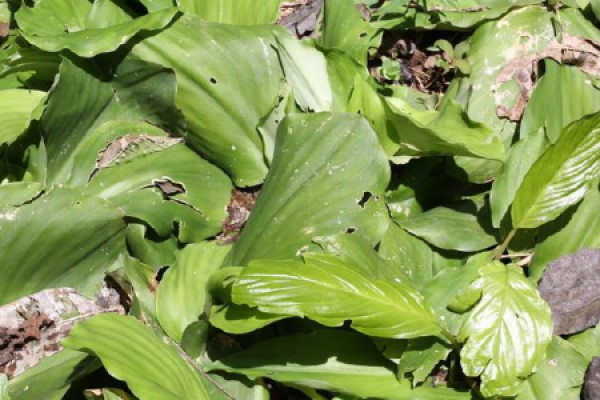
1. How to spend the winter: in winter, hang it in the sun, store it indoors in a dry place. When you store it, you should spread a layer of sand on the ground first, and then place it, so that the storage time will be longer.
2. Edible or not: Chennai is edible. Its tuber is ginger, which can be used as seasoning.