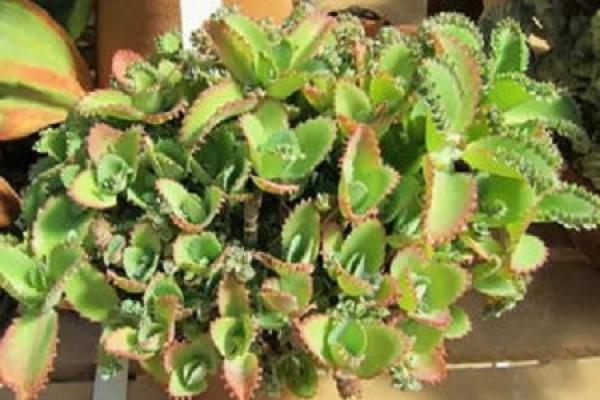
1. Temperature: undead birds like to be warm. Specifically, it's better to be between 15 and 28 degrees. In a very hot environment, it is not conducive to its growth, and it will be easy to get some diseases. Therefore, try to ventilate in summer and adjust the temperature. In addition, winter must also be cold, at least not less than two degrees.

2. Light: the immortal bird is a kind of light loving species. Good sunshine will make its plant shape more beautiful, and it will not grow in vain. However, it is also more afraid of the sun. So, in summer, it's better to shade and avoid sunburn.
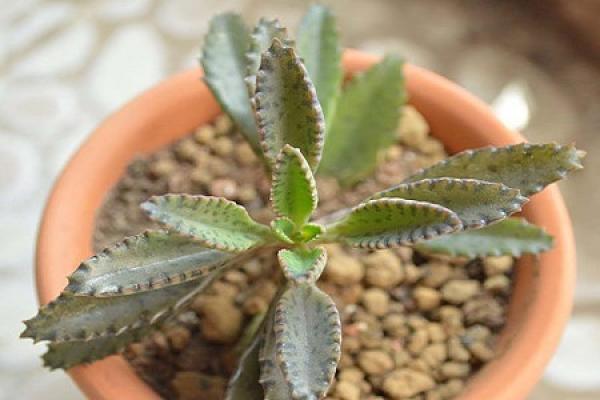
3. Watering: the immortal bird is very afraid of waterlogging. Its roots are easy to rot when there is a lot of water. Generally speaking, more water is needed in the growing period, and it needs to be watered two or three times a week. When it's very cold in winter, try not to water too much, once or twice a week.
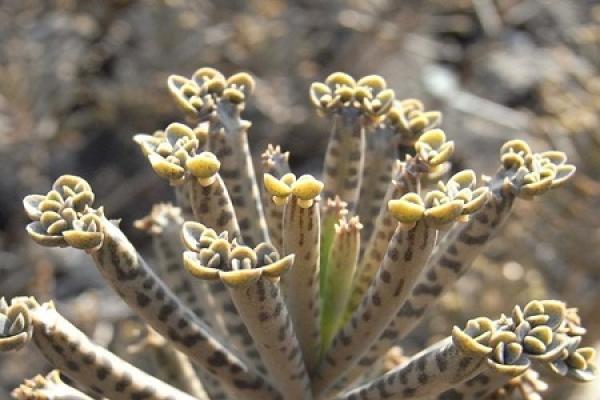
4. Fertilization: it needs fertilizer, but not too much. Can be used once a month, the main liquid fertilizer
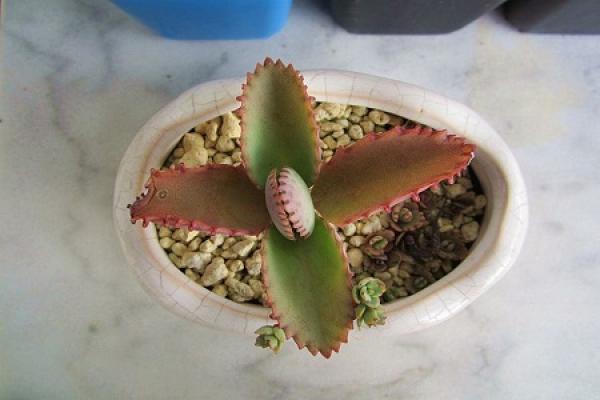
1. Propagation: cutting is often used. It can be used for cutting. As long as it is juicy and has no wound on its surface. After cutting, it's better to dry for two or three days before inserting. The requirements for soil are mainly air permeability, etc., and the nutrients can also be considered a little. After insertion, keep it moist and put it in a cool place.
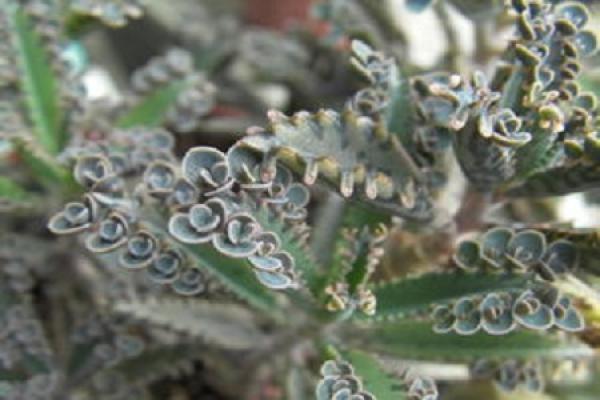
2. Basin change: try to change the basin once a year as much as possible, because the requirements of the immortal birds for the permeability of the soil are relatively high. Even if you don't change pots, you need to turn them regularly, or the soil will agglomerate, which is not good for the growth of plants. In addition, while changing the basin, the root system should also be slightly repaired.
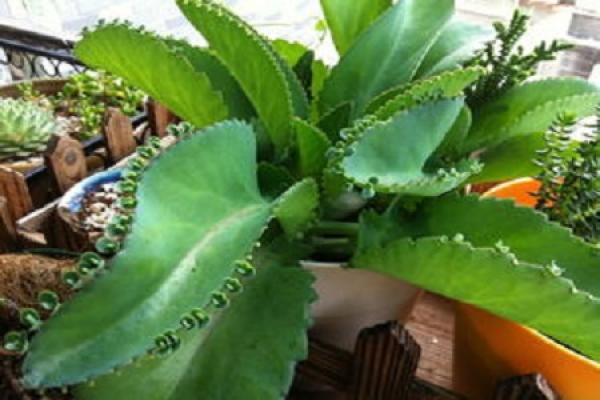
1. Disease: the disease occurs mainly in summer and autumn, especially when the ventilation is very poor. The common species are anthrax and so on. Commonly used chlorothalonil, but also with pruning and other measures.
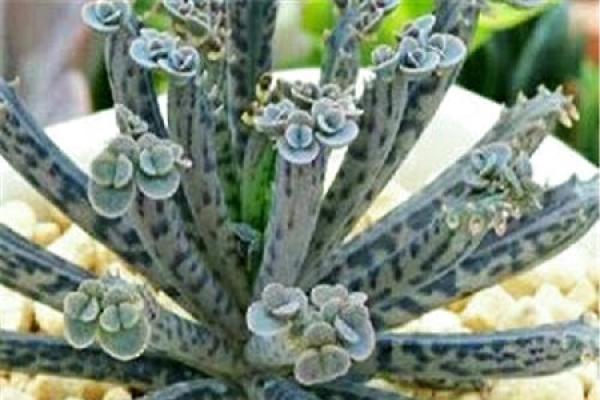
2. Insect pest: "scale insect" is the most common species. It can be sprayed in time to prevent and control before the quantity is increased.

1. Toxicity: it is a kind of non-toxic and fleshy. However, some people may be allergic to its juice, but pay a little attention
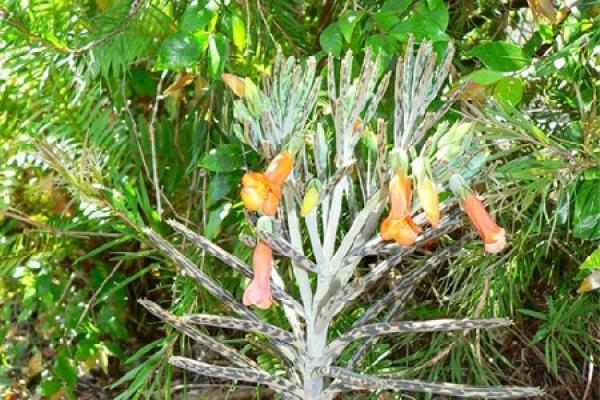
2. Can you keep it at home? It's very suitable. It can be enjoyed