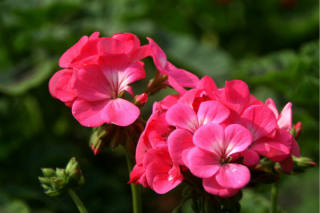
Delphiniums, also known as larkspur, are perennial flowering plants prized for their tall spikes of vibrant blue, purple, pink, or white blooms. Native to the Northern Hemisphere, they thrive in temperate climates and are a favorite in American gardens for their striking vertical appeal. To grow them successfully, it’s essential to understand their natural preferences, including sunlight, soil, and water requirements.
Delphiniums flourish in full sun, requiring at least 6–8 hours of direct sunlight daily. In hotter regions (USDA zones 7–9), partial afternoon shade helps prevent stress. They prefer sheltered spots to protect their tall stems (3–6 feet) from strong winds, which can cause breakage. A location with good air circulation reduces the risk of fungal diseases like powdery mildew.
These plants demand well-draining, fertile soil with a slightly alkaline pH (6.5–7.5). Amend heavy clay or sandy soil with organic matter like compost or aged manure to improve texture and nutrient content. Before planting, test the soil and adjust pH if needed using lime (to raise pH) or sulfur (to lower pH). Mulching with organic material helps retain moisture and regulate soil temperature.
Plant delphiniums in early spring or fall. Space them 1–3 feet apart to allow for air circulation. Dig a hole twice the width of the root ball and place the plant at the same depth as it was in the container. Gently firm the soil around the roots and water thoroughly. Staking at planting time is recommended to support future growth.
Delphiniums need consistent moisture but dislike waterlogged soil. Water deeply once or twice weekly, ensuring the top inch of soil dries between waterings. Drip irrigation is ideal to keep foliage dry and prevent disease. Feed with a balanced, slow-release fertilizer in spring and again after the first bloom to encourage reblooming. Avoid high-nitrogen fertilizers, which promote leafy growth over flowers.
Deadhead spent flowers to prolong blooming and prevent self-seeding. After the first flush of blooms, cut stems back to encourage a second flowering in late summer. In fall, trim foliage to the ground after it dies back. Divide overcrowded clumps every 3–4 years in early spring to maintain vigor.
Delphiniums are susceptible to slugs, snails, and aphids. Use organic deterrents like diatomaceous earth or beer traps for slugs. Fungal diseases like powdery mildew and crown rot can be mitigated by proper spacing, avoiding overhead watering, and applying fungicides if necessary. Remove and destroy infected plant parts promptly.
In colder regions (USDA zones 3–6), apply a thick layer of mulch after the ground freezes to protect roots from temperature fluctuations. In warmer zones, reduce watering in winter to prevent rot. Potted delphiniums should be moved to a sheltered location or indoors if temperatures drop below freezing.
Delphiniums can be propagated by division, cuttings, or seeds. Division is best done in spring. For cuttings, take basal shoots in early spring and root them in a moist medium. Seeds require stratification (cold treatment) for better germination—sow indoors 8–10 weeks before the last frost or directly in fall.
In humid areas (e.g., the Southeast), choose mildew-resistant varieties like 'Guardian Blue'. In arid regions (e.g., the Southwest), prioritize shade and extra watering. Coastal gardens may need windbreaks. Always select cultivars suited to your USDA hardiness zone for optimal performance.