1. Understanding Jasmine Plant Watering Needs
Jasmine plants, known for their fragrant blooms, have specific watering requirements that vary depending on their growth stage, environment, and soil conditions. From the plant's perspective, consistent moisture is crucial, but overwatering can lead to root rot, while underwatering may cause wilting and stunted growth. The key is to mimic their natural habitat, where they thrive in well-draining soil with moderate humidity.
2. Factors Influencing Watering Frequency
Several factors determine how often and how much water jasmine plants need:
- Growth Stage: Young jasmine plants require more frequent watering (every 2-3 days) to establish roots, while mature plants can tolerate slightly drier conditions (once a week).
- Season: In summer or dry climates, water more frequently (every 3-4 days). Reduce watering in winter (every 7-10 days) when growth slows.
- Soil Type: Well-draining soil (e.g., sandy loam) requires more frequent watering than heavy clay, which retains moisture longer.
- Container vs. Ground: Potted jasmine dries out faster and may need watering every 2-3 days, whereas in-ground plants retain moisture better.
3. How Much Water to Provide
Jasmine plants prefer deep, thorough watering rather than light sprinkles. Here’s how to gauge the right amount:
- In-Ground Plants: Water until the top 6-8 inches of soil are moist. This encourages deep root growth and drought resistance.
- Potted Plants: Water until excess drains from the bottom holes, ensuring the entire root ball is hydrated. Avoid letting the pot sit in standing water.
- Signs of Overwatering: Yellowing leaves, soggy soil, or mold indicate excess water. Reduce frequency and improve drainage.
- Signs of Underwatering: Dry, brittle leaves or drooping stems signal the need for more water.
4. Best Practices for Watering Jasmine
To optimize water uptake and plant health, follow these guidelines:
- Morning Watering: Water early in the day to reduce evaporation and allow foliage to dry, preventing fungal diseases.
- Mulching: Apply organic mulch (e.g., bark or compost) to retain soil moisture and regulate temperature.
- Monitor Soil Moisture: Use a finger or moisture meter to check soil dryness before watering. The top 1-2 inches should feel slightly dry.
- Adjust for Humidity: In high-humidity areas, reduce watering frequency; in arid regions, increase it.
5. Special Considerations for Indoor vs. Outdoor Jasmine
Indoor jasmine plants face different challenges than outdoor ones:
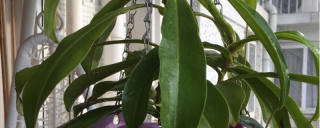
- Indoor Plants: Lower light and stagnant air slow water uptake. Water sparingly (every 5-7 days) and ensure pots have drainage.
- Outdoor Plants: Exposure to wind and sun increases evaporation. Water more frequently, especially during heatwaves.