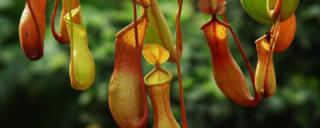
Amaryllis (genus Hippeastrum) is a popular flowering bulb known for its large, trumpet-shaped blooms and ease of cultivation. Native to tropical and subtropical regions of the Americas, these plants are favored for their vibrant colors and adaptability to indoor and outdoor gardening. With numerous varieties available, amaryllis can suit diverse aesthetic preferences and growing conditions.
Below are some of the most sought-after amaryllis varieties, categorized by their unique characteristics:
'Red Lion': A classic variety with deep red blooms, 'Red Lion' is a favorite for its bold color and reliability. Each stem produces 2-3 large flowers, making it a striking centerpiece.
'Apple Blossom': Known for its soft pink and white petals with green throats, this variety offers a delicate, romantic appeal. It blooms profusely and is ideal for light-filled spaces.
'Double Dragon': This variety features layered, velvety red petals that create a lush, peony-like appearance. Its dramatic blooms are perfect for adding texture to floral arrangements.
'Snow White': A double-flowering amaryllis with pure white petals, 'Snow White' exudes elegance. Its multi-layered flowers are long-lasting and pair well with other winter blooms.
'Fairy Tale': A compact variety with striped red and white petals, 'Fairy Tale' is ideal for small spaces or container gardening. Its whimsical appearance adds charm to windowsills.
'Emerald': This miniature amaryllis produces greenish-white flowers with subtle pink streaks. Its unusual coloration makes it a standout choice for unique garden displays.
'Clown': Named for its striped red and white pattern, 'Clown' offers a playful, eye-catching display. It thrives in pots and garden beds alike.
'Black Pearl': A rare variety with deep maroon, nearly black flowers, 'Black Pearl' adds a touch of mystery and sophistication to gardens.
To ensure healthy growth and prolific blooming, consider the following care guidelines:
Amaryllis prefers bright, indirect light and temperatures between 65-75°F (18-24°C). Protect it from frost and excessive heat.
Plant bulbs in well-draining soil, watering sparingly until growth appears. Once flowering begins, maintain consistent moisture but avoid waterlogging.
Feed with a balanced fertilizer every 2-3 weeks during the growing season to support robust blooms.
After flowering, reduce watering and allow the foliage to die back naturally. Store bulbs in a cool, dark place for 8-10 weeks to encourage reblooming.