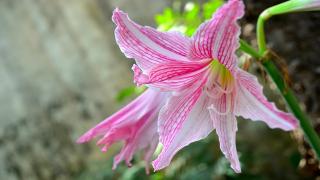
As an amaryllis plant, my life cycle is crucial to my ability to rebloom. After my stunning flowers fade, I enter a growth phase where my leaves gather sunlight to store energy in my bulb. This energy is essential for future blooms. Without this period of photosynthesis, my bulb won’t have the strength to produce flowers again. Patience is key—my caretaker must allow me time to recharge naturally.
Once my flowers wilt, my caretaker should remove the spent blooms but leave the flower stalk until it turns yellow. This allows me to redirect energy back into my bulb. My leaves must remain intact, as they are my solar panels. Regular watering and a balanced fertilizer (e.g., 10-10-10) every 2–4 weeks will help me store nutrients. Treat me like a leafy houseplant during this phase—I’m preparing for my next show!
To trigger my dormancy, my caretaker should reduce watering in late summer or early fall. My leaves will yellow and die back—this is normal! Once my foliage is brown, it can be trimmed. My bulb then needs a cool (50–55°F or 10–13°C), dark rest period for 8–10 weeks. This mimics my natural habitat and signals that it’s time to reset for another bloom cycle. Avoid freezing temperatures—I’m not frost-tolerant!
After my dormancy, my caretaker should repot me in fresh, well-draining soil, leaving the top third of my bulb exposed. A snug pot (1–2 inches wider than my bulb) encourages flowering. Water sparingly at first, then increase as my new growth emerges. Place me in bright, indirect light and rotate my pot regularly to prevent leaning. With warmth and light, I’ll send up a new flower stalk in 6–8 weeks.
To ensure I thrive year after year, my bulb must stay healthy. Over time, I may produce offsets (baby bulbs). These can be separated and potted individually once they’re ⅓ the size of the mother bulb. Avoid overwatering, as rot is my enemy. Inspect my bulb annually for soft spots or mold. With proper care, I can live and bloom for decades, growing larger and more impressive with each season!
If I fail to rebloom, it’s usually due to insufficient energy storage (not enough light/fertilizer), skipped dormancy, or an undersized bulb. My caretaker should ensure I get 6+ hours of sunlight during my growth phase. If my leaves are sparse, a phosphorus-rich fertilizer can help. Remember: my first rebloom might have fewer flowers, but with consistent care, I’ll regain my vigor.