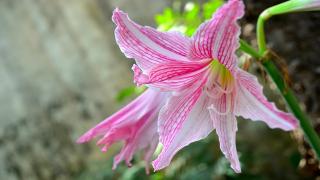
The leaves of an amaryllis (Hippeastrum) play a critical role in the plant's life cycle. After the flowers fade, the leaves continue to photosynthesize, converting sunlight into energy. This energy is stored in the bulb, fueling future growth and flowering. Cutting back the leaves prematurely disrupts this process, weakening the bulb and reducing its ability to produce blooms in subsequent seasons.
After an amaryllis finishes flowering, it enters a vegetative growth phase. During this time, the plant focuses on replenishing the bulb's nutrients. The leaves absorb sunlight and produce carbohydrates, which are essential for the bulb's recovery and future flower production. Removing the leaves too soon deprives the bulb of these vital resources, potentially stunting its growth or preventing future blooms.
Amaryllis leaves will naturally yellow and wither as the plant prepares for dormancy. This is a sign that the bulb has absorbed sufficient energy and is ready to rest. Cutting leaves before this natural process occurs can harm the plant, as it may not have stored enough nutrients. Allow the leaves to die back on their own, as this ensures the bulb is fully replenished.
The only time to trim amaryllis leaves is after they have turned yellow or brown and are no longer functional. At this stage, the leaves have completed their role in photosynthesis, and removing them will not harm the bulb. Use clean, sharp scissors to cut the leaves about 1-2 inches above the bulb to avoid damaging the plant.
To support the plant's post-flowering recovery, continue watering and fertilizing the amaryllis while the leaves are green. Use a balanced fertilizer to promote healthy leaf growth and bulb development. Reduce watering as the leaves begin to yellow, signaling the onset of dormancy. During dormancy, store the bulb in a cool, dark place for 8-10 weeks before restarting the growth cycle.
Avoid cutting green, healthy leaves, as this deprives the bulb of energy. Similarly, do not remove leaves immediately after flowering, as the plant is still actively growing. Overwatering or underwatering during the post-flowering phase can also stress the plant, so maintain consistent care until the leaves naturally decline.
By allowing the leaves to remain until they senesce naturally, you ensure the bulb remains robust and capable of producing flowers year after year. Healthy bulbs can live for decades, with proper care. Neglecting this critical growth phase may result in smaller, fewer, or no flowers in future seasons.