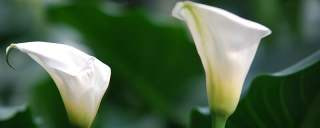
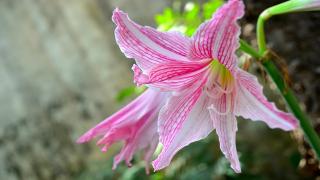
The Orchid Cactus, scientifically known as Epiphyllum, is a genus of epiphytic cacti native to Central and South America. Unlike typical desert cacti, these plants thrive in tropical forests, clinging to trees and rocks. They are renowned for their stunning, large, and fragrant flowers, which bloom nocturnally in many species. The flowers exhibit a wide range of colors, making them a favorite among horticulturists and plant enthusiasts.
Orchid Cactus flowers come in both natural and hybridized forms. Natural species typically display white or cream-colored blooms, while hybrid varieties have been bred to produce vibrant hues such as pink, red, orange, yellow, and purple. Hybridization has expanded the color palette significantly, offering gardeners a diverse selection.
Below are some of the most popular flower colors found in Orchid Cactus varieties:
Natural species like Epiphyllum oxypetalum (Queen of the Night) produce large, white, fragrant flowers that open at night. These blooms are often associated with purity and elegance, and their nocturnal nature adds a mystical appeal.
Hybrid varieties such as Epiphyllum 'Pink Panther' and Epiphyllum 'Red Flame' showcase vibrant pink and red petals. These colors are achieved through selective breeding and are highly sought after for their striking visual impact.
Varieties like Epiphyllum 'Golden Heart' and Epiphyllum 'Orange Crush' feature sunny yellow and fiery orange blooms. These warm tones add a cheerful brightness to gardens and indoor spaces.
Purple-flowered hybrids, such as Epiphyllum 'Purple Prince', offer a regal touch with their deep, rich hues. Lavender-toned blooms provide a softer, more delicate appearance.
Several factors contribute to the color variations in Orchid Cactus flowers:
The primary determinant of flower color is genetics. Hybridizers cross-pollinate plants to combine desirable traits, resulting in new color combinations.
Light exposure, temperature, and soil pH can subtly influence flower pigmentation. For instance, brighter light may intensify red and pink hues, while cooler temperatures might deepen purple tones.
Proper fertilization, particularly with phosphorus and potassium, can enhance bloom vibrancy. Nutrient deficiencies may lead to paler or less saturated colors.
To ensure your Orchid Cactus produces its best-colored flowers, follow these care guidelines:
Provide bright, indirect light. Too much direct sunlight can scorch the leaves, while insufficient light may reduce flowering.
Keep the soil evenly moist but well-drained. High humidity mimics their natural tropical habitat, promoting healthy growth and blooming.
Use a balanced, water-soluble fertilizer during the growing season (spring and summer) to support flower development.
Remove dead or damaged stems to encourage new growth and more abundant blooms.