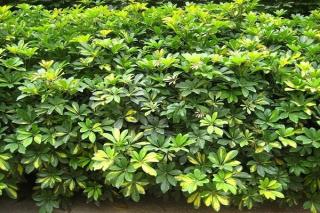
The Fox Tail Fern (Asparagus densiflorus 'Myers' or Asparagus meyeri) is a popular ornamental plant known for its dense, plume-like foliage resembling a fox's tail. It belongs to the Asparagaceae family and is often grown for its aesthetic appeal in gardens and containers. Understanding its outdoor growth potential in the U.S. requires examining its native habitat, hardiness, and environmental preferences.
The Fox Tail Fern is native to South Africa, where it thrives in warm, subtropical climates. In the U.S., its outdoor growth is largely determined by USDA Hardiness Zones. This plant is best suited for Zones 9-11, where temperatures rarely drop below 20°F (-6°C). In these regions, it can grow outdoors year-round with minimal protection. In colder zones (below Zone 9), it is typically grown as an annual or brought indoors during winter.
Fox Tail Ferns prefer bright, indirect light but can tolerate partial shade. Outdoors, they thrive in locations with morning sun and afternoon shade, especially in hotter climates. Prolonged exposure to direct midday sun can scorch the foliage, while too much shade may result in sparse growth. In cooler regions (e.g., Zone 9), more sunlight may be tolerated, but in hotter areas (e.g., Zone 11), shade is essential to prevent stress.
Well-draining soil is critical for Fox Tail Ferns outdoors. They prefer sandy or loamy soil enriched with organic matter. Poor drainage can lead to root rot, a common issue in heavy clay soils. Watering should be consistent but moderate; the soil should dry slightly between waterings. In humid climates, reduce watering frequency to avoid waterlogging, while in arid regions, supplemental irrigation may be necessary.
Fox Tail Ferns thrive in temperatures between 60-75°F (15-24°C) and high humidity. They can tolerate brief dips to 30°F (-1°C) but may suffer frost damage. In regions with cold winters (e.g., Zone 8 or lower), outdoor plants should be mulched or moved indoors. High humidity is beneficial, but the plant can adapt to drier conditions with proper care.
Regular maintenance includes pruning dead or yellowing stems to encourage new growth and applying a balanced fertilizer during the growing season (spring to summer). Mulching helps retain moisture and regulate soil temperature. Pests like aphids or spider mites may occasionally infest outdoor plants; these can be managed with insecticidal soap or neem oil.
In the U.S., challenges include frost damage in colder zones, overwatering in rainy climates, and heat stress in arid regions. Invasive growth is rare, but the plant can spread via underground rhizomes in ideal conditions. Gardeners in marginal zones (e.g., Zone 8) may need to treat it as a container plant for flexibility.
In the Southern U.S. (e.g., Florida, Texas, California), Fox Tail Ferns grow well outdoors year-round. In the Pacific Northwest, they require protection from excessive rain. In the Northeast or Midwest, they are best grown in containers and overwintered indoors. Local microclimates (e.g., urban heat islands) may extend their outdoor range slightly.