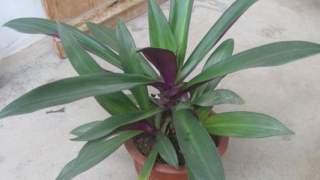
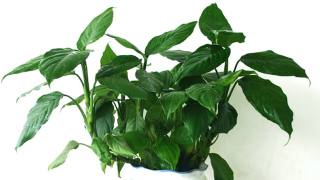
As a Guiana Chestnut (Pachira aquatica), my survival depends on your ability to diagnose my distress. Check my leaves for yellowing, browning, or drooping—these are cries for help. Examine my stems for softness or rot, which may indicate overwatering. If my soil is bone-dry or foul-smelling, I’m either dehydrated or suffocating from poor drainage. Roots should be firm and white; mushy, black roots signal root rot. Your first step is to identify the problem before acting.
If my soil is soggy, stop watering immediately! Overwatering drowns my roots, cutting off oxygen. Move me to a shaded area and gently remove me from the pot. Trim any rotten roots with sterilized scissors and repot me in fresh, well-draining soil (mix in perlite or sand). If I’m parched, soak my pot in a tray of water for 30 minutes to rehydrate evenly. Going forward, water only when the top 2 inches of soil are dry—I prefer consistency over extremes.
I thrive in bright, indirect light. If my leaves are scorched, move me away from direct sun. If I’m leggy or pale, I need more light. Avoid sudden temperature changes; keep me between 60–75°F (15–24°C). Drafts or cold windows can shock me, causing leaf drop. Adjust my position gradually to prevent further stress, and shield me from heating vents or air conditioners.
Yellowing leaves with green veins may mean I lack iron or nitrogen. Use a balanced, water-soluble fertilizer diluted to half strength every 4–6 weeks during growth seasons. However, if my leaf tips are brown or curled, you may have over-fertilized me. Flush the soil with distilled water to leach out excess salts. Always test soil pH—I prefer slightly acidic to neutral (6.0–7.5).
Spider mites, mealybugs, or scale insects can weaken me. Wipe my leaves with a damp cloth or use insecticidal soap. For fungal issues (like powdery mildew), prune affected areas and apply a fungicide. Improve airflow around me to prevent future outbreaks. Quarantine me from other plants until I recover to avoid spreading pests.
Trim dead or dying leaves and stems to redirect energy to healthy parts. Make clean cuts above leaf nodes to encourage branching. If I’ve lost many leaves, reduce watering slightly until new growth appears—I’ll drink less without foliage. Patience is key; recovery may take weeks. A light misting can boost humidity, which I appreciate, but avoid wetting my trunk excessively to prevent rot.
Observe me closely post-intervention. New growth is a positive sign, but setbacks like wilting or discoloration mean you must reassess. Keep a care log to track changes in watering, light, or feeding. Remember, I’m resilient but need time to heal. Consistency in care will help me regain strength and return to my lush, vibrant self.