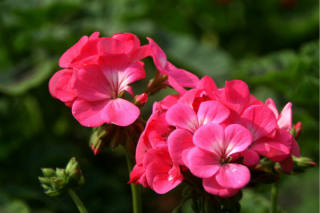
Deadheading, the practice of removing spent flowers, is a common gardening technique applied to many flowering plants. For peonies (Paeonia spp.), this process involves cutting off faded blooms to redirect the plant's energy. Whether or not to deadhead peonies depends on their growth cycle, energy allocation, and long-term health. Below, we explore the pros and cons from the plant's perspective.
Peonies are perennial plants that store energy in their roots for the next growing season. By deadheading, you prevent the plant from wasting resources on seed production. This allows more energy to be diverted to root development and foliage, strengthening the plant for future blooms.
While aesthetics are a human concern, a peony's appearance affects its ability to attract pollinators. Removing wilted flowers keeps the plant looking fresh, which may indirectly support pollination of remaining healthy blooms.
Decaying flowers can harbor fungal diseases like botrytis or attract pests. Deadheading reduces moisture retention around spent blooms, minimizing the risk of infections that could weaken the plant.
Peonies naturally produce seeds after flowering. Deadheading interrupts this cycle, which may be undesirable if you want the plant to self-seed or if you’re breeding peonies for specific traits.
If deadheading is done incorrectly (e.g., cutting too much stem or damaging nearby buds), the peony may experience stress. This can lead to reduced vigor or susceptibility to diseases.
Unlike some annuals, peonies rely on stored root energy rather than continuous flowering cycles. Deadheading has minimal effect on next year’s blooms, as peonies primarily depend on proper sunlight, soil nutrients, and winter dormancy.
The ideal time to deadhead peonies is immediately after the petals wilt and fall. Cut the stem just above the first set of healthy leaves to avoid leaving stubs that could rot. Avoid deadheading too late in the season, as the plant needs time to prepare for dormancy.
If you’re growing peonies for seed production or prefer a naturalized garden look, avoid deadheading. Additionally, tree peonies (Paeonia suffruticosa) may not require deadheading as vigorously as herbaceous varieties, as their woody structure supports longer-term growth.
Instead of deadheading, some gardeners opt for light pruning or simply removing diseased foliage. Ensuring proper spacing, mulching, and watering can also support peony health without the need for frequent deadheading.