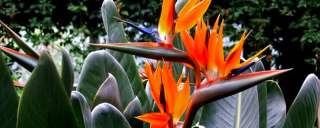
Protea plants thrive in full sunlight and require at least 6–8 hours of direct sunlight daily to produce flowers. If your protea is not flowering, it may be due to inadequate light. Shaded or partially shaded conditions can lead to weak growth and a lack of blooms. Ensure the plant is positioned in a sunny spot, preferably facing north or west in the Southern Hemisphere (or south in the Northern Hemisphere) for optimal light exposure.
Proteas prefer well-draining, acidic soil with a pH between 5.0 and 6.5. Heavy clay or waterlogged soil can cause root rot and inhibit flowering. Additionally, high phosphorus levels in fertilizers can be toxic to proteas, further preventing blooms. Test your soil's pH and drainage, and amend it with sand or organic matter if necessary. Avoid phosphorus-rich fertilizers and opt for low-phosphorus, slow-release formulas designed for acid-loving plants.
Proteas are drought-tolerant once established but require consistent moisture during their initial growth phase. Overwatering can suffocate roots and lead to fungal diseases, while underwatering can stress the plant, delaying or preventing flowering. Water deeply but infrequently, allowing the soil to dry slightly between waterings. Mulching with organic material can help retain moisture without waterlogging the roots.
Proteas bloom on old wood, meaning flowers develop on growth from the previous season. Pruning at the wrong time—such as late winter or early spring—can remove potential flower buds. To avoid this, prune proteas immediately after flowering to encourage new growth for the next season's blooms. Avoid heavy pruning, as it can reduce flowering for several years.
Excessive nitrogen can promote leafy growth at the expense of flowers, while deficiencies in potassium or micronutrients like iron and magnesium can also hinder blooming. Use a balanced, low-phosphorus fertilizer formulated for proteas or native plants. Foliar sprays with micronutrients may help address deficiencies without altering soil chemistry drastically.
Proteas are adapted to Mediterranean climates with mild winters and warm, dry summers. Extreme cold or frost can damage flower buds, while prolonged heatwaves may cause bud drop. Protect plants from frost with covers or relocate potted specimens to sheltered areas. In hot climates, provide afternoon shade to prevent stress.
Young protea plants may take 2–3 years to mature and produce their first flowers. Additionally, recently transplanted proteas often focus energy on root establishment rather than blooming. Be patient and avoid disturbing the roots unnecessarily. Ensure proper planting techniques, such as avoiding deep planting and providing support if needed.
Insect infestations (e.g., aphids, scale) or fungal infections (e.g., root rot, leaf spot) can weaken proteas, reducing their ability to flower. Inspect plants regularly for pests and treat them with insecticidal soap or neem oil. Improve air circulation and avoid overhead watering to prevent fungal issues.
Some protea species or cultivars may naturally bloom less frequently or require specific conditions to flower. Research your plant's variety to ensure its needs align with your growing environment. If flowering remains elusive despite ideal care, consider propagating from a flowering specimen or selecting a more reliable cultivar.