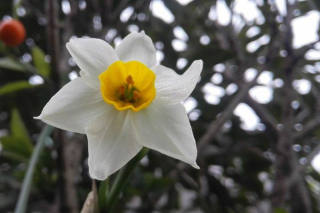
From a plant's perspective, the container is our home, so its size and material matter greatly. Snowdrops (Galanthus) prefer shallow containers with a depth of 15-20 cm, as their bulbs are small and thrive in well-drained environments. Terracotta or ceramic pots are ideal because they allow air and moisture exchange, preventing root rot. Ensure the container has drainage holes—stagnant water is our worst enemy!
We snowdrops are not fussy, but we do demand the right soil mix. A lightweight, humus-rich, and slightly alkaline to neutral pH (6.5-7.0) substrate works best. Combine equal parts potting soil, coarse sand, and leaf mold to mimic our natural woodland habitat. Avoid heavy clay or soggy mixes—they suffocate our roots and invite fungal diseases.
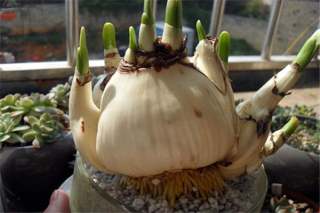
Plant our bulbs 5-8 cm deep, with the pointed end facing upward. Crowding stresses us, so space bulbs 5-7 cm apart. In containers, clustering 5-7 bulbs creates a naturalized look while allowing room for growth. After planting, water lightly to settle the soil, but don’t drown us—bulbs rot easily if overwatered.
We adore dappled sunlight or partial shade, especially in warmer climates. Morning sun with afternoon shade is perfect. In containers, avoid scorching midday rays—they dehydrate our delicate leaves. We’re cold-hardy (USDA zones 3-8), but container roots freeze faster than ground soil. Insulate pots in winter with bubble wrap or move them to a sheltered spot.
Keep soil moist but never waterlogged. Water when the top 2 cm of soil feels dry. During active growth (autumn to spring), we appreciate a balanced liquid fertilizer (e.g., 10-10-10) diluted to half strength every 4-6 weeks. Stop feeding once flowers fade—excess nutrients weaken our bulbs for the next season.
After flowering, let our foliage wither naturally. This process replenishes the bulb’s energy for next year. Resist cutting yellowing leaves! If you must tidy up, fold them gently and secure with a rubber band until they dry. Store containers in a cool, dry place over summer, or leave them outdoors if rainfall is minimal.
We’re generally resilient but watch for bulb rot (from overwatering) or gray mold (Botrytis). Improve air circulation and avoid wetting leaves. Mice and squirrels sometimes dig up our bulbs—protect containers with wire mesh. Aphids may attack new growth; a mild soap spray deters them without harming pollinators.
Every 2-3 years, divide crowded clumps after foliage dies back. Gently lift bulbs, separate offsets, and replant in fresh soil. Containers compact over time, so refresh the top 5 cm of soil annually. Mulch with gravel or bark to retain moisture and deter weeds.