1. Understanding the Daylily's Bloom Cycle
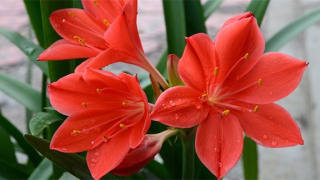
Daylilies (Hemerocallis) are perennial plants known for their vibrant, trumpet-shaped flowers that typically last just one day (hence the name). However, each plant produces multiple buds, ensuring a prolonged display. From a plant's perspective, blooming is tied to energy allocation, environmental cues, and genetic programming. Daylilies prioritize flowering when conditions align with their evolutionary adaptations—typically in response to daylight duration, temperature shifts, and soil readiness.
2. Primary Bloom Seasons Across the U.S.
Daylilies bloom in distinct phases depending on their classification and regional climate:
- Early Season (Late Spring to Early Summer): Varieties like 'Stella de Oro' often begin flowering as early as May in warmer zones (e.g., USDA Zones 7–9). Plants sense rising temperatures and longer days, triggering bud formation.
- Midseason (Summer): Most daylilies peak in June–July. In cooler regions (Zones 4–6), plants delay blooming until soil temperatures stabilize above 60°F (15°C).
- Late Season (Late Summer to Fall): Reblooming cultivars like 'Happy Returns' flower repeatedly until frost, leveraging residual energy stored in their rhizomes.
3. Regional Variations in Bloom Timing
Daylilies adapt their bloom schedules based on local climates:
- Southern U.S. (Zones 8–10): Heat-tolerant varieties may start blooming as early as April but often enter dormancy during peak summer heat, resuming in fall.
- Northern U.S. (Zones 3–5): Shorter growing seasons delay blooms until mid-to-late summer. Plants prioritize rapid growth once soil thaws.
- Coastal Areas: Milder temperatures extend blooming periods, while inland regions with temperature swings may compress the cycle.
4. Environmental Triggers for Blooming
Daylilies rely on external signals to initiate flowering:
- Photoperiod: Many cultivars are long-day plants, requiring 14+ hours of daylight to bloom.
- Temperature: Roots activate growth when soil reaches ~50°F (10°C). Extreme heat (above 90°F/32°C) may halt blooming to conserve water.
- Soil Conditions: Well-drained, nutrient-rich soil supports robust flower production. Plants may reduce blooms in compacted or waterlogged soils.
5. Cultivar-Specific Bloom Traits
Hybridization has expanded daylily bloom behaviors:
- Everbloomers: Cultivars like 'Purple de Oro' flower continuously in favorable climates, redirecting energy from foliage to buds.
- Dormant vs. Evergreen: Dormant types (common in cold zones) bloom once and retreat underground. Evergreen varieties (warmer zones) may produce sporadic flowers year-round.
6. Maximizing Bloom Duration: A Plant's Needs
To sustain flowering, daylilies require:
- Adequate Sunlight: 6+ hours of direct sun daily fuels photosynthesis for bud development.
- Water Management: Consistent moisture (1 inch/week) prevents drought stress, which truncates blooms.
- Nutrient Balance: Phosphorus-rich fertilizers (e.g., 10-20-10) support flower production without excessive leafy growth.
(Word count: ~500)