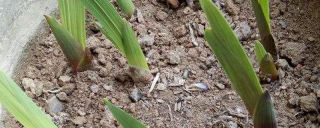
Leggy snapdragons (Antirrhinum majus) occur when the plant stretches excessively, producing weak stems and sparse foliage. From the plant’s viewpoint, this is often a survival response to inadequate light or overcrowding. When snapdragons sense limited resources, they prioritize vertical growth to outcompete neighboring plants for sunlight. However, this compromises their structural integrity and reduces flowering potential. Proper spacing ensures each plant receives sufficient light, air circulation, and nutrients, preventing legginess.
Snapdragons thrive when their roots and foliage have ample room to develop. Crowded conditions force plants to compete, leading to elongated stems as they stretch toward light. Ideal spacing allows for:
For optimal growth, snapdragons should be spaced according to their mature size:
When transplanting seedlings, ensure they are not planted too deeply, as this can stress the plant and contribute to legginess.
While spacing is critical, combining it with these practices further prevents legginess:
Snapdragons communicate their needs through growth patterns. Signs of inadequate spacing include:
If these signs appear, consider thinning plants or transplanting to a better-spaced location. Regularly rotating container-grown snapdragons can also ensure even light exposure.
Well-spaced snapdragons develop stronger stems, vibrant foliage, and abundant flowers. They are less prone to pests and diseases, as airflow discourages fungal growth. Additionally, balanced spacing allows pollinators better access to blooms, enhancing the plant’s reproductive success. By meeting the plant’s spatial needs, gardeners cultivate healthier, more resilient snapdragons that fulfill their natural growth potential.