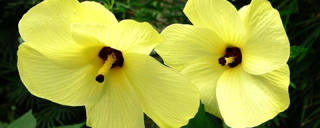
Narcissus, commonly known as daffodils, are bulbous perennials that require specific nutrients to thrive and produce vibrant blooms. From a plant's perspective, their growth cycle consists of two critical phases: vegetative growth (leaf and root development) and reproductive growth (flowering). To support these phases, Narcissus relies on three primary macronutrients: nitrogen (N) for foliage, phosphorus (P) for root and flower development, and potassium (K) for overall health and disease resistance. Secondary nutrients like calcium and magnesium, along with trace elements such as iron and zinc, also play vital roles in enzymatic processes and chlorophyll production.
Organic fertilizers provide slow-release nutrients, mimicking natural soil processes. For Narcissus, well-rotted compost or manure is ideal, as it enriches the soil with organic matter and improves water retention. Bone meal, rich in phosphorus (11-15%), promotes strong root systems and abundant blooms. Fish emulsion, high in nitrogen (5-7%), supports leafy growth but should be applied sparingly to avoid excessive foliage at the expense of flowers. Kelp meal offers micronutrients and growth hormones, enhancing stress resistance and bloom quality.
Synthetic fertilizers deliver precise nutrient ratios quickly. A balanced formula like 10-10-10 (N-P-K) is suitable during early growth, while a low-nitrogen, high-phosphorus blend (e.g., 5-10-10) is better before flowering to prioritize blooms. Slow-release granular fertilizers ensure steady nutrient supply, reducing the risk of root burn. Water-soluble fertilizers (e.g., 15-30-15) can be applied during active growth but should be diluted to half strength to avoid salt buildup in the soil.
Narcissus bulbs store nutrients, so fertilization timing is crucial. Apply a balanced fertilizer at planting to establish roots. In early spring, as shoots emerge, use a nitrogen-rich formula to support foliage. Switch to a phosphorus-heavy fertilizer as flower buds form. Avoid fertilizing post-bloom, as this can divert energy from bulb replenishment. For potted Narcissus, liquid fertilizers are preferable, applied every 2-3 weeks during active growth. Always water the soil before fertilizing to prevent root damage.
Narcissus prefers slightly acidic to neutral soil (pH 6.0–7.0). In alkaline soils, phosphorus becomes less available, hindering blooming. Sulfur or peat moss can lower pH, while lime raises it if too acidic. A soil test helps tailor fertilizer choices. For example, in iron-deficient soils, chelated iron supplements can prevent chlorosis (yellowing leaves), ensuring healthy photosynthesis for energy-intensive flowering.
Over-fertilization, especially with nitrogen, causes lush foliage but few flowers. Salt accumulation from synthetic fertilizers can dehydrate roots, so leaching the soil with water helps flush excess salts. Never apply fertilizer directly to dry bulbs, as this may cause chemical burns. Organic mulches (e.g., straw) can supplement nutrients gradually while maintaining soil moisture and temperature.