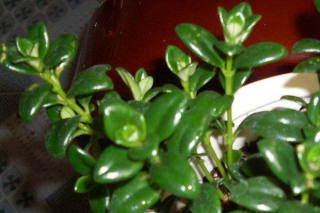
Lupines (Lupinus spp.) are flowering plants native to North and South America, the Mediterranean, and North Africa. They thrive in well-drained soils and open, sunny environments. To grow lupines indoors successfully, it's essential to replicate their natural conditions as closely as possible. This includes providing ample light, proper soil, and careful watering to mimic their outdoor habitat.
Lupines are sun-loving plants and require at least 6-8 hours of bright, indirect light daily when grown indoors. Place them near a south-facing window for optimal light exposure. If natural light is insufficient, supplement with full-spectrum grow lights positioned 6-12 inches above the plants for 12-14 hours a day. Avoid direct midday sunlight, as it can scorch the leaves, especially in warmer climates.
Lupines prefer slightly acidic to neutral soil (pH 6.0-7.0) with excellent drainage. Use a mix of potting soil, perlite, and coarse sand to ensure proper aeration and prevent waterlogging. A peat-based mix can help maintain acidity. Ensure the pot has drainage holes to avoid root rot, a common issue in poorly drained containers.
Water lupines when the top inch of soil feels dry, ensuring thorough soaking until water drains from the bottom. Avoid overwatering, as lupines are drought-tolerant and susceptible to root rot. Reduce watering frequency in winter when growth slows. Indoor lupines benefit from moderate humidity (40-50%). If the air is too dry, use a humidity tray or occasional misting, but avoid wetting the foliage excessively to prevent fungal diseases.
Lupines grow best in cool to moderate temperatures (60-75°F or 15-24°C). Avoid placing them near heat vents or drafty windows, as extreme temperature fluctuations can stress the plant. Good air circulation is crucial to prevent pests like aphids and fungal issues. A small fan set on low can help mimic outdoor breezes.
Lupines are light feeders but benefit from a balanced, slow-release fertilizer applied in early spring and midsummer. Avoid high-nitrogen fertilizers, as they promote leafy growth at the expense of flowers. Alternatively, use a phosphorus-rich fertilizer to encourage blooming. Organic options like compost tea can also provide gentle nutrition.
Regularly deadhead spent flowers to encourage reblooming and prevent seed formation, which can divert energy from growth. Trim back leggy stems to maintain a compact shape. After flowering, cut the plant back by one-third to promote bushier growth. Inspect leaves for pests like spider mites or aphids, and treat promptly with insecticidal soap or neem oil.
Indoor lupines may face challenges such as powdery mildew, root rot, or leggy growth due to insufficient light. Ensure proper spacing between plants for airflow, and avoid overcrowding. Yellowing leaves may indicate overwatering or nutrient deficiencies, while wilting can signal underwatering or heat stress. Adjust care routines accordingly to address these issues.
Lupines can be propagated from seeds or cuttings. For seeds, scarify the hard coat and soak overnight before sowing. Cuttings should be taken from healthy stems in spring or early summer and rooted in a moist, sterile medium. Propagation allows you to expand your indoor lupine collection or replace older plants that may decline after a few years.