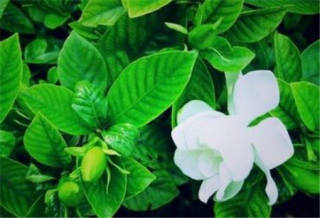
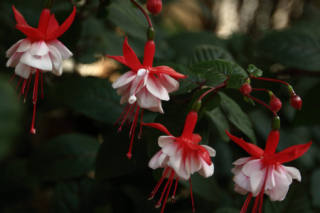
Jasmine's strong scent is primarily due to its unique biological adaptations. The plant produces volatile organic compounds (VOCs), such as benzyl acetate, linalool, and indole, which are responsible for its intense aroma. These compounds are synthesized in specialized cells within the flowers and released into the air to attract pollinators like moths and bees. The fragrance is strongest at night because many jasmine species (e.g., Jasminum sambac) are pollinated by nocturnal insects, which rely heavily on scent for navigation.
Several environmental conditions can enhance the strength of jasmine's fragrance. Warm temperatures accelerate the evaporation of VOCs, making the scent more potent. High humidity also plays a role by slowing the dispersal of these compounds, causing the aroma to linger. Additionally, jasmine grown in well-drained, nutrient-rich soil tends to produce more flowers and, consequently, more fragrance. Sunlight exposure is another critical factor—jasmine plants in full sun often develop stronger scents than those in shade.
Not all jasmine species smell equally strong. For example, Jasminum officinale (common jasmine) has a milder fragrance compared to Jasminum grandiflorum (Spanish jasmine), which is prized for its intense perfume. Hybrid cultivars may also exhibit varying scent profiles due to selective breeding. The genetic makeup of the plant determines the type and concentration of aromatic compounds it produces, explaining why some jasmines smell stronger than others.
The stage of flower development significantly impacts fragrance intensity. Jasmine flowers emit the most scent when they are fully open, as this is when they are most attractive to pollinators. Younger buds or aging flowers produce fewer VOCs. The plant's metabolic activity peaks during blooming, leading to a surge in scent production. Pruning spent flowers can encourage new blooms, maintaining a consistent strong fragrance throughout the growing season.
Human sensitivity to jasmine's scent varies due to biological and psychological factors. The compound indole, for instance, is perceived as floral at low concentrations but can smell overpowering or even unpleasant at higher levels. Ambient conditions, such as air circulation and proximity to the plant, also influence how strong the fragrance seems. Indoors, jasmine's scent may appear more intense due to confined spaces trapping VOCs.
Jasmine's fragrance strength fluctuates with seasons and time of day. In spring and summer, longer daylight hours and warmer temperatures boost VOC production. As mentioned earlier, nocturnal species release more scent at night to align with their pollinators' activity. Day-blooming jasmines, like Jasminum polyanthum, may have a milder daytime fragrance but still peak in the early evening.