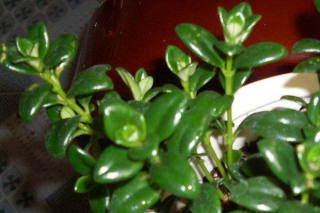
Fox Tail Ferns (Asparagus densiflorus 'Myers') are popular ornamental plants known for their lush, feathery foliage resembling a fox's tail. They belong to the Asparagaceae family and are often grown as houseplants. However, their adaptability raises the question of whether they can thrive outdoors, depending on climatic conditions.
Fox Tail Ferns are native to South Africa, which means they prefer warm, temperate to subtropical climates. They thrive in USDA Hardiness Zones 9–11, where temperatures rarely drop below 20°F (-6°C). In these zones, they can be grown outdoors year-round. They tolerate partial shade to full sun but prefer dappled sunlight to avoid leaf scorch in intense heat.
Fox Tail Ferns are sensitive to frost and freezing temperatures. Prolonged exposure to temperatures below 25°F (-4°C) can damage or kill the plant. In regions with mild winters, they can survive outdoors with minimal protection. However, in colder climates, they should be grown in containers and brought indoors during winter or treated as annuals.
Outdoors, Fox Tail Ferns perform best in bright, indirect light or partial shade. Direct afternoon sun in hot climates can cause leaf burn, while too much shade may result in sparse growth. A location with morning sun and afternoon shade is ideal for balanced growth and vibrant foliage.
These ferns prefer well-draining, slightly acidic to neutral soil (pH 6.0–7.0). Amend heavy clay soils with organic matter like compost or peat moss to improve drainage. Water regularly to keep the soil consistently moist but not waterlogged. Reduce watering in winter to prevent root rot. Mulching helps retain moisture and regulate soil temperature.
Fox Tail Ferns enjoy moderate to high humidity, making them suitable for coastal or humid subtropical regions. In drier climates, occasional misting or planting near water features can help maintain humidity. Good air circulation prevents fungal diseases but avoid excessively windy spots, which can dry out the foliage.
Regularly remove dead or yellowing fronds to encourage new growth. Fertilize monthly during the growing season (spring to fall) with a balanced, water-soluble fertilizer diluted to half strength. In colder zones, apply a thick layer of mulch around the base in late fall to insulate roots from sudden temperature drops.
Outdoor Fox Tail Ferns may attract pests like spider mites, aphids, or mealybugs. Inspect foliage regularly and treat infestations with insecticidal soap or neem oil. Overwatering or poor drainage can lead to root rot, while excessive shade may invite fungal infections. Proper spacing and airflow mitigate these risks.
In marginal climates, growing Fox Tail Ferns in containers allows for flexibility. Move pots indoors during cold spells or place them in sheltered outdoor areas. Ground planting is suitable only in frost-free regions where soil conditions mimic their natural habitat—loose, fertile, and well-draining.