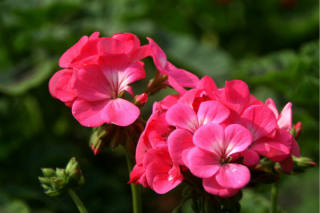
Hollyhocks (Alcea rosea) are beloved for their tall spikes of vibrant flowers, but yellowing leaves can be a sign of distress. From the plant's perspective, this discoloration is often a response to environmental stress, nutrient deficiencies, or disease. Understanding the underlying causes helps address the issue effectively.
Hollyhocks are sensitive to water fluctuations. Overwatering suffocates roots, reducing oxygen uptake and causing yellow leaves. Conversely, underwatering stresses the plant, leading to drought-induced yellowing. The plant prioritizes survival, sacrificing older leaves to conserve water for new growth. Ensure well-draining soil and consistent moisture.
Yellow leaves may signal a lack of essential nutrients:
Hollyhocks thrive in slightly acidic to neutral soil (pH 6.0–7.0). Alkaline soils limit iron and manganese availability, causing yellowing. Compacted or poorly drained soils also hinder root function, reducing nutrient absorption. Test soil pH and aerate compacted areas to improve root health.
Pathogens can trigger yellowing:
Sap-sucking pests like spider mites or aphids weaken hollyhocks, causing stippling or yellowing. The plant redirects energy to repair damage, leaving leaves discolored. Inspect leaves for pests and use insecticidal soap or neem oil for control.
Extreme conditions—heatwaves, frost, or pollutants—can shock hollyhocks, resulting in yellow leaves. The plant may shed affected foliage to conserve resources. Mulch to regulate soil temperature and protect roots from temperature swings.
Older leaves naturally yellow and drop as part of the plant's growth cycle. If only lower leaves are affected and new growth is healthy, this is likely normal senescence. Prune spent leaves to redirect energy.