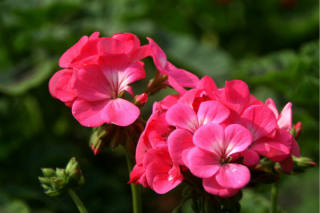
Hydrangeas are versatile flowering shrubs that can thrive in containers, making them a popular choice for gardeners with limited space. While they are traditionally grown in gardens, potted hydrangeas offer flexibility in placement and care. Understanding their specific needs is key to successful container cultivation.
Not all hydrangea varieties are equally suited for pots. Compact or dwarf varieties, such as Hydrangea macrophylla (Bigleaf Hydrangea) or Hydrangea paniculata (Panicle Hydrangea), are ideal for containers. These varieties have smaller root systems and manageable growth habits, reducing the risk of becoming root-bound.
The container must provide adequate space for root growth and drainage. A pot with a diameter of at least 18–24 inches is recommended, with drainage holes to prevent waterlogging. Materials like terracotta or ceramic are preferable as they allow air circulation, but plastic pots can also work if properly managed.
Hydrangeas prefer well-draining, nutrient-rich soil with a slightly acidic to neutral pH (5.5–6.5). A high-quality potting mix blended with organic matter, such as compost or peat moss, ensures proper moisture retention and aeration. Avoid garden soil, which can compact and hinder root development.
Container-grown hydrangeas require consistent moisture but are susceptible to overwatering. Water deeply when the top 1–2 inches of soil feel dry, ensuring excess water drains away. Mulching the soil surface helps retain moisture and regulate temperature, especially in hot climates.
Most hydrangeas thrive in partial shade, with morning sun and afternoon shade being ideal. In hotter regions, protect pots from intense midday sun to prevent wilting. In colder climates, move containers to sheltered areas or insulate them to protect roots from freezing temperatures.
Feed hydrangeas with a balanced, slow-release fertilizer in early spring and midsummer. Avoid high-nitrogen fertilizers, which promote leafy growth at the expense of blooms. For blue-flowering varieties, use an acidic fertilizer to maintain soil pH and enhance color.
Prune hydrangeas based on their blooming cycle. Bigleaf hydrangeas (H. macrophylla) bloom on old wood, so prune lightly after flowering. Panicle hydrangeas (H. paniculata) bloom on new wood and can be pruned in late winter. Remove dead or weak stems to encourage healthy growth.
Hydrangeas may outgrow their pots every 2–3 years. Signs include roots circling the pot or emerging from drainage holes. Repot in early spring, gently loosening the root ball and transferring to a slightly larger container with fresh soil.
Common pests like aphids, spider mites, and powdery mildew can affect potted hydrangeas. Regularly inspect leaves and stems, and treat infestations with insecticidal soap or neem oil. Ensure proper air circulation and avoid overhead watering to prevent fungal diseases.
In winter, protect hydrangeas from frost by moving pots indoors or wrapping them with burlap. In summer, increase watering frequency and provide shade during heatwaves. Adjust care routines based on seasonal weather patterns to maintain plant health.