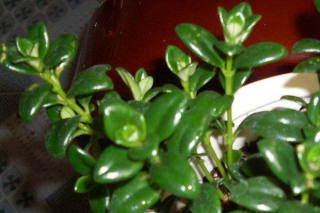
The Guiana Chestnut, commonly known as the Money Tree, is a tropical plant native to Central and South America. It thrives in humid environments with bright, indirect light. While it is generally hardy, browning leaves can indicate underlying issues affecting its health.
From the plant’s perspective, browning leaves are a distress signal. Here are the primary reasons:
Overwatering or underwatering can stress the Guiana Chestnut. Overwatering leads to root rot, depriving the plant of oxygen and causing leaf browning. Underwatering dehydrates the plant, leading to dry, crispy brown edges. The plant prefers consistently moist but well-drained soil.
As a tropical plant, the Guiana Chestnut requires high humidity. Dry air, especially in heated or air-conditioned rooms, can cause leaf tips and edges to turn brown. The plant responds by reducing transpiration, but prolonged dryness damages foliage.
While the plant needs bright light, direct sunlight can scorch its leaves, causing brown patches. The leaves may develop sunburn, a defensive reaction to protect chlorophyll from UV damage. Indirect light is ideal for maintaining healthy foliage.
Nutrient imbalances, such as nitrogen deficiency or salt buildup from over-fertilization, can cause browning. The plant’s roots absorb excess salts, leading to leaf burn. A balanced fertilizer and occasional soil flushing can prevent this issue.
Pests like spider mites or scale insects suck sap from leaves, causing brown spots and wilting. The plant’s natural defense mechanisms may not be sufficient against severe infestations, requiring intervention.
Sudden temperature fluctuations or exposure to cold drafts can shock the plant, leading to browning leaves. The Guiana Chestnut prefers stable temperatures between 65–80°F (18–27°C).
When faced with adverse conditions, the Guiana Chestnut prioritizes survival. Browning leaves are a result of cellular damage or nutrient reallocation to healthier parts. For example, overwatering triggers root decay, reducing the plant’s ability to absorb water, while pests force the plant to shed affected leaves to conserve energy.
To address browning leaves, mimic the plant’s natural habitat:
Water only when the top 1-2 inches of soil are dry. Ensure proper drainage to prevent root rot. The plant’s roots need oxygen as much as water.
Use a humidifier, pebble tray, or mist the leaves regularly. Grouping plants together can also create a microclimate with higher humidity.
Place the plant near a north or east-facing window for bright, indirect light. If moving outdoors, acclimate it gradually to prevent sunburn.
Apply a diluted, balanced fertilizer every 4-6 weeks during the growing season. Flush the soil occasionally to remove salt buildup.
Inspect leaves regularly and treat infestations with insecticidal soap or neem oil. Healthy plants are less susceptible to pests.
Avoid placing the plant near vents, doors, or windows with drafts. Consistent warmth mimics its tropical origins.