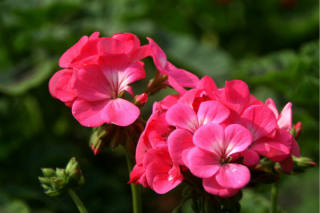
Bleeding hearts (Dicentra spectabilis) are perennial plants known for their delicate, heart-shaped flowers and fern-like foliage. From the plant's perspective, transplantation is a stressful event that disrupts root systems, moisture uptake, and nutrient absorption. To minimize shock, it's crucial to recognize their preference for cool, moist, shaded environments and their susceptibility to root disturbance. The plant's survival depends on maintaining root integrity and minimizing stress during the process.
For bleeding hearts, timing is critical to reduce shock. The ideal periods are early spring (before new growth emerges) or late fall (after foliage dies back). During these phases, the plant is dormant or transitioning, which lowers metabolic demands. Avoid transplanting in summer, as heat stress exacerbates shock. From the plant's perspective, cooler temperatures and reduced sunlight allow it to focus energy on root re-establishment rather than sustaining foliage.
Bleeding hearts thrive in well-draining, humus-rich soil with partial to full shade. Before transplanting, amend the new site with organic matter like compost to mimic their natural woodland habitat. Ensure the soil pH is slightly acidic to neutral (6.0–7.0). From the plant's viewpoint, a prepared bed reduces adjustment stress by providing familiar conditions, allowing roots to acclimate faster without competing for nutrients or moisture.
To minimize root damage, dig a wide circle around the plant (at least 12 inches from the base) to preserve the root ball. Bleeding hearts have brittle, fleshy roots that store energy; disturbing them excessively can deplete reserves. Gently lift the plant, keeping as much soil attached as possible. From the plant's perspective, retaining soil around the roots protects fine root hairs and mycorrhizal fungi, which are vital for nutrient uptake post-transplant.
Replant the bleeding heart at the same depth it was previously growing to avoid burying the crown or exposing roots. Water the hole before placing the plant to eliminate air pockets. Backfill with native soil mixed with compost, pressing lightly to stabilize the plant. From the plant's perspective, consistent depth and immediate moisture help maintain hydraulic balance, preventing desiccation and promoting quick root-soil contact.
After transplanting, water deeply to settle the soil and maintain consistent moisture (but avoid waterlogging). Apply a 2–3 inch layer of mulch to regulate soil temperature and retain humidity. Avoid fertilizing for 4–6 weeks to prevent root burn. From the plant's viewpoint, these steps replicate its natural habitat, reducing transpiration stress and allowing energy to focus on root regeneration rather than foliage or flower production.
Bleeding hearts may exhibit shock through wilted or yellowing leaves. To support recovery, provide temporary shade (e.g., with a cloth) during the first week and prune damaged foliage to reduce water loss. From the plant's perspective, these adaptations redirect resources to root recovery, ensuring long-term survival over short-term aesthetic appeal.