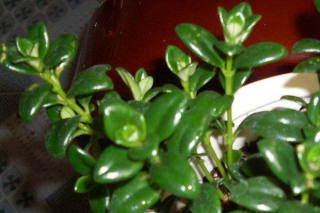
Greek oregano (*Origanum vulgare* subsp. *hirtum*) is a perennial herb native to the Mediterranean region. It is prized for its robust flavor and aromatic leaves, commonly used in culinary dishes. Unlike common oregano, Greek oregano has a more intense taste and is often preferred for cooking. Its growth habits and adaptability make it suitable for container gardening, provided certain conditions are met.
Greek oregano thrives in containers due to its compact growth habit and shallow root system. The plant typically reaches a height of 12–24 inches (30–60 cm) and spreads moderately, making it ideal for pots or planters. Containers allow for better control over soil quality, drainage, and sunlight exposure, which are critical for healthy growth. Additionally, growing oregano in containers prevents it from becoming invasive, as it can spread aggressively in garden beds.
Choosing the right container is essential for successful growth. A pot with a diameter of at least 8–12 inches (20–30 cm) and a depth of 6–8 inches (15–20 cm) is recommended to accommodate the root system. Ensure the container has drainage holes to prevent waterlogging, which can lead to root rot. Terra cotta or ceramic pots are ideal as they allow for better air circulation, but plastic containers can also work if properly drained.
Greek oregano prefers well-draining, slightly alkaline soil with a pH of 6.0–8.0. A mix of potting soil with added perlite or sand improves drainage and mimics its native Mediterranean conditions. Avoid heavy, clay-based soils, as they retain too much moisture. A layer of gravel at the bottom of the container can further enhance drainage.
This herb requires full sun, meaning at least 6–8 hours of direct sunlight daily. In hotter climates, partial afternoon shade can prevent leaf scorch. Greek oregano is hardy in USDA zones 5–9 and tolerates temperatures down to 20°F (-6°C). In colder regions, containers can be moved indoors during winter to protect the plant from frost.
Greek oregano is drought-tolerant and prefers dry to moderately moist soil. Water the plant when the top inch of soil feels dry, but avoid overwatering. Reduce watering frequency in winter. Fertilization is rarely necessary; a light application of balanced, slow-release fertilizer in spring is sufficient. Over-fertilizing can dilute the herb’s flavor.
Regular pruning encourages bushier growth and prevents legginess. Trim the plant back by one-third in early spring and pinch off flower buds to promote leaf production. Harvest leaves as needed, but avoid removing more than one-third of the plant at once. Remove dead or yellowing leaves to maintain plant health.
Greek oregano is relatively pest-resistant but can occasionally attract aphids, spider mites, or whiteflies. A strong spray of water or insecticidal soap can manage infestations. Ensure good air circulation and avoid overwatering to prevent fungal diseases like powdery mildew or root rot.
Harvest leaves in the morning when the essential oils are most concentrated. Fresh leaves can be used immediately, or dried for long-term storage. To dry, hang stems upside down in a warm, well-ventilated area. Greek oregano’s bold flavor enhances meats, sauces, and Mediterranean dishes.