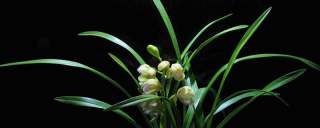
Aglaia odorata, commonly known as the Chinese Perfume Plant, is a tropical evergreen shrub prized for its fragrant flowers. From a plant's perspective, its water requirements are influenced by factors such as climate, soil type, and growth stage. Native to Southeast Asia, it thrives in humid environments but is sensitive to overwatering. The roots require consistent moisture without becoming waterlogged, as excessive water can lead to root rot and other fungal diseases.
The frequency of watering Aglaia odorata depends on environmental conditions. In warm, dry climates, the plant may need watering every 2-3 days, while in cooler or more humid regions, once a week may suffice. During active growth (spring and summer), the plant's water demand increases, requiring more frequent watering. In contrast, during dormancy (fall and winter), reduce watering to prevent soggy soil. Always check the top 1-2 inches of soil; if it feels dry, it's time to water.
The amount of water should be enough to moisten the entire root zone without causing runoff. For potted Aglaia odorata, water until it drains from the bottom holes, ensuring the roots are evenly hydrated. For ground-planted shrubs, apply approximately 1-1.5 gallons per watering session, adjusting for plant size and soil drainage. Sandy soils may require more frequent, lighter watering, while clay soils retain moisture longer, needing less frequent but deeper watering.
Aglaia odorata communicates its water needs through physical cues. Overwatering symptoms include yellowing leaves, wilting despite moist soil, and root rot. Underwatering manifests as dry, crispy leaf edges, drooping, and slowed growth. Observing these signs helps adjust watering practices to match the plant's requirements. Always prioritize well-draining soil to prevent water retention issues.
Seasonal changes significantly impact watering routines. In summer, higher temperatures and increased sunlight accelerate evaporation, necessitating more frequent watering. In winter, reduced light and cooler temperatures slow the plant's metabolic activity, requiring less water. Rainy seasons may eliminate the need for supplemental watering altogether, while dry spells demand vigilance to maintain soil moisture.
Use a gentle watering method, such as a watering can or drip irrigation, to avoid soil erosion and ensure even distribution. Water early in the morning to minimize evaporation and allow foliage to dry before nightfall, reducing disease risk. Mulching around the base helps retain soil moisture and regulate temperature. Avoid wetting the leaves excessively, as this can invite fungal infections.
Potted Aglaia odorata dries out faster than ground-planted ones due to limited soil volume. Use containers with drainage holes and a well-aerated potting mix. Water thoroughly until excess drains out, and empty saucers to prevent root suffocation. In hot weather, check pots daily, as they may require more frequent watering.
The right soil mix is critical for proper water management. A blend of peat, perlite, and organic matter ensures good drainage while retaining adequate moisture. Heavy, compacted soils should be amended with sand or compost to improve aeration. Poor drainage is a leading cause of Aglaia odorata decline, so prioritize soil health to support optimal watering practices.