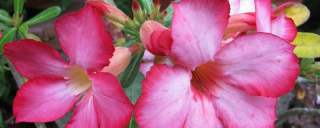
Oleander (Nerium oleander) is a beautiful but highly toxic plant. From a botanical perspective, its toxicity stems from cardiac glycosides, such as oleandrin and nerioside, which are present in all parts of the plant—leaves, stems, flowers, and even sap. These compounds interfere with sodium-potassium pumps in cell membranes, posing severe risks if ingested or absorbed through cuts. The plant's toxicity is a natural defense mechanism against herbivores, ensuring its survival in harsh environments.
While oleander's toxins protect it from pests, they also endanger humans and animals. Accidental ingestion can cause symptoms like nausea, vomiting, irregular heartbeat, and even death. Skin contact with sap may lead to irritation or allergic reactions. Pets and livestock are particularly vulnerable, as they may chew on leaves or fallen flowers. Gardeners must recognize these risks to implement safe handling practices.
To minimize exposure, gardeners should wear gloves, long sleeves, and eye protection when pruning or transplanting oleander. Avoid touching the face or eyes while working with the plant, and wash hands thoroughly afterward. Tools used on oleander should be cleaned immediately to prevent cross-contamination. Never burn oleander clippings, as inhaling smoke can release toxic compounds.
Proper disposal is critical to prevent accidental ingestion by children or animals. Seal trimmed leaves, stems, and flowers in sturdy bags before discarding them in designated waste bins. Composting oleander is unsafe, as toxins persist even after decomposition. Local regulations may specify disposal methods for toxic plants—check with waste management authorities for guidance.
Oleander should be planted away from high-traffic areas, playgrounds, and pet zones. Consider barriers like fences to deter curious animals or children. While oleander is drought-tolerant and thrives in sunny spots, its placement must balance aesthetic appeal with safety. Opt for raised beds or pots to limit root spread and accidental contact.
For gardeners concerned about oleander's risks, non-toxic alternatives like hibiscus, bottlebrush (Callistemon), or roses offer similar visual appeal without the hazards. Researching plant toxicity before purchase can help create a safer garden environment, especially for households with pets or young children.
Early recognition of poisoning symptoms is vital. If ingestion occurs, seek immediate medical attention—do not induce vomiting unless instructed by a professional. For skin contact, rinse the area with water and soap. Keep emergency numbers handy, such as poison control centers, and inform them about oleander exposure for targeted treatment.
Gardeners should educate family members, neighbors, and visitors about oleander's dangers. Clear labeling of the plant in gardens can serve as a warning. Sharing safety guidelines with fellow gardeners fosters a community-wide culture of caution around toxic plants.