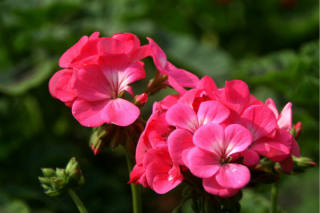
From a plant's perspective, the pot is our home, and its size and material directly impact our growth. Bougainvillea thrives in containers that allow for proper root expansion and drainage. A pot that is 12-18 inches in diameter is ideal for young plants, while mature Bougainvillea may need a 24-inch pot. Terra cotta or ceramic pots are preferable because they are porous, allowing roots to breathe and preventing waterlogging. Ensure the pot has drainage holes to avoid root rot, as we despise "wet feet."
Bougainvillea prefers well-draining, slightly acidic soil with a pH of 5.5 to 6.5. A mix of peat moss, perlite, and coarse sand mimics our natural habitat, ensuring proper aeration and moisture retention. Avoid heavy garden soil, as it compacts over time, suffocating our roots. Adding organic compost provides nutrients, but too much richness can lead to excessive foliage at the expense of vibrant bracts—our pride and joy!
We are sun worshippers! Bougainvillea needs at least 6-8 hours of direct sunlight daily to flourish. Without adequate light, we become leggy and produce fewer blooms. If grown indoors, place us near a south-facing window or supplement with grow lights. Remember, insufficient sunlight weakens our immune system, making us susceptible to pests and diseases.
Watering is a delicate balance. We prefer to dry out slightly between waterings—overwatering is our nemesis. Stick your finger 1-2 inches into the soil; if it feels dry, it's time to water. During hot summers, we may need watering every 2-3 days, but in cooler months, reduce frequency. Always water deeply until excess drains out, ensuring roots are hydrated without sitting in water.
We are moderate feeders. Use a balanced, slow-release fertilizer (e.g., 10-10-10) every 4-6 weeks during the growing season (spring to fall). Alternatively, a high-phosphorus fertilizer (e.g., 5-10-5) encourages prolific blooming. Avoid excessive nitrogen, which promotes leafy growth over flowers. In winter, we rest—hold off on fertilizing to let us recharge.
Pruning is essential for maintaining our shape and encouraging new growth. Trim back leggy stems after each blooming cycle, cutting just above a leaf node. Remove dead or diseased branches promptly to prevent energy waste. Light pruning can be done year-round, but major shaping is best in early spring before the growing season begins.
We are relatively hardy but can fall prey to aphids, mealybugs, and spider mites. Regularly inspect our leaves and stems. A strong spray of water or insecticidal soap usually suffices for minor infestations. Fungal diseases like powdery mildew may arise in humid conditions—ensure good air circulation and avoid wetting foliage when watering.
We are sensitive to frost. If temperatures drop below 50°F (10°C), bring us indoors to a bright, cool spot. Reduce watering and stop fertilizing until spring. In milder climates, mulch the pot's base to insulate roots. Prune lightly in late winter to prepare us for the upcoming growing season.