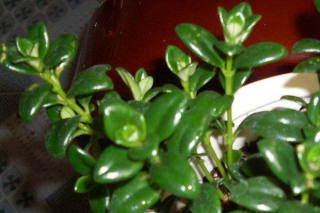
As a Bleeding Heart plant, I thrive best in a container that accommodates my delicate root system. A pot with a diameter of at least 12-16 inches is ideal, as my roots need space to spread without becoming cramped. Ensure the pot has drainage holes—I dislike soggy soil, which can lead to root rot. A lightweight material like resin or ceramic works well, as it provides stability while allowing excess water to escape.
I prefer a well-draining, nutrient-rich soil mix that mimics my natural woodland habitat. A blend of peat moss, perlite, and compost keeps me happy by retaining moisture without waterlogging. A slightly acidic to neutral pH (6.0-7.0) is optimal. Avoid heavy garden soil, as it compacts easily and restricts my roots' growth.
When planting me in a pot, place my roots gently in the center, ensuring the crown (where the stems emerge) sits just below the soil surface. Fill the pot with soil, leaving about an inch of space at the top to prevent water spillage. Water me thoroughly after planting to help settle the soil around my roots.
I crave consistent moisture but despise standing water. Water me when the top inch of soil feels dry, usually every 2-3 days in warm weather. Reduce watering in cooler months to prevent root rot. Mulching the soil surface with organic matter helps retain moisture and keeps my roots cool.
I flourish in dappled shade or partial sunlight—direct afternoon sun scorches my delicate leaves. A spot with morning sun and afternoon shade is perfect. If indoors, place me near an east-facing window. I prefer temperatures between 55-75°F (13-24°C). Protect me from extreme heat or frost, as I’m sensitive to sudden temperature changes.
Feed me with a balanced, slow-release fertilizer in early spring as new growth appears. A diluted liquid fertilizer every 4-6 weeks during the growing season keeps me blooming vigorously. Avoid over-fertilizing, as it can lead to excessive foliage at the expense of flowers.
Trim my faded flowers to encourage new blooms and prevent seed production, which drains my energy. After flowering, my foliage may yellow and die back—this is normal. Cut back the stems to the base once they wither, but leave the roots undisturbed for next season’s growth.
In colder climates, I need protection to survive winter. Move my pot to a sheltered spot, like an unheated garage, or insulate it with mulch or burlap. Reduce watering but don’t let my roots dry out completely. In spring, return me to my preferred spot when the danger of frost has passed.
Aphids and slugs occasionally bother me—spray with insecticidal soap or handpick pests to keep them at bay. Powdery mildew can occur in humid conditions; ensure good air circulation and avoid wetting my leaves when watering. Proper care minimizes these issues.
Every 2-3 years, I may outgrow my pot. Repot me in early spring before new growth begins. Gently loosen my roots, trim any dead or tangled sections, and place me in fresh soil in a slightly larger container. This refreshes my growing environment and promotes vitality.