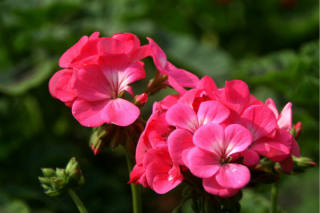
Not all lilies thrive equally in containers, so selecting the right variety is crucial. Asiatic lilies and Oriental lilies are excellent choices due to their compact growth habits and adaptability to confined spaces. Dwarf varieties, such as the 'Tiny Bee' Asiatic lily, are particularly well-suited for pots. Avoid species with tall stems or extensive root systems, as they may become unstable or root-bound. Always check the mature size and growth requirements before purchasing bulbs.
Lilies require deep pots to accommodate their root systems. A container with a depth of at least 12 inches (30 cm) and a diameter of 8–10 inches (20–25 cm) is ideal for most varieties. Ensure the pot has adequate drainage holes to prevent waterlogging, which can lead to root rot. Materials like terracotta or ceramic are preferable, as they provide stability and breathability, but lightweight plastic pots can also work if drainage is sufficient.
Lilies prefer well-draining, fertile soil with a slightly acidic to neutral pH (6.0–7.0). A mix of equal parts potting soil, perlite, and compost creates an optimal growing medium. Avoid heavy garden soil, as it compacts easily and restricts root growth. Adding a slow-release fertilizer at planting time ensures steady nutrient availability. For Oriental lilies, which are heavy feeders, incorporate extra organic matter like well-rotted manure.
Plant bulbs in early spring or fall, placing them 3 times deeper than their height (e.g., a 2-inch bulb should be planted 6 inches deep). Space bulbs 4–6 inches apart to allow room for growth. Position them with the pointed end facing upward and roots spread downward. Cover with soil, leaving about 1 inch of space below the rim for watering. Water thoroughly after planting to settle the soil and initiate root development.
Lilies need at least 6 hours of sunlight daily, so place containers in a sunny spot, such as a south-facing balcony or patio. In hot climates, provide afternoon shade to prevent scorching. Maintain consistent moisture—water when the top inch of soil feels dry, but avoid soggy conditions. Mulching the surface with straw or bark helps retain moisture and regulate soil temperature.
Feed lilies every 2–3 weeks during the growing season with a balanced liquid fertilizer (e.g., 10-10-10). Reduce feeding after flowering to prepare the plant for dormancy. Deadhead spent blooms to redirect energy to bulb growth, but leave stems and foliage until they yellow naturally. This allows the plant to store nutrients for the next season. Rotate the pot occasionally to ensure even light exposure.
In colder climates (below USDA Zone 5), protect bulbs by moving pots to a sheltered, frost-free location like a garage or basement after foliage dies back. Alternatively, insulate containers with bubble wrap or burlap. Reduce watering in winter but keep the soil slightly moist to prevent desiccation. In milder zones, lilies can remain outdoors with minimal protection.
Aphids, red lily beetles, and slugs are common pests. Inspect plants regularly and remove pests by hand or use insecticidal soap. Prevent fungal diseases like botrytis by ensuring good air circulation and avoiding overhead watering. If bulbs show signs of rot (soft, discolored spots), discard affected material and sterilize the pot before reuse.