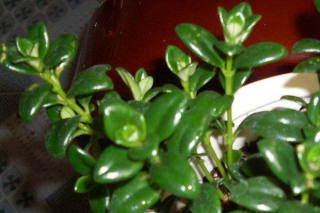
Thyme (Thymus vulgaris) is a perennial herb with a shallow, fibrous root system. When grown indoors, it requires a pot that accommodates its root depth while preventing waterlogging. A container with a depth of 6–8 inches is ideal, as thyme's roots rarely extend deeper than 6 inches. The pot should also provide enough horizontal space (8–12 inches in diameter) to allow the plant to spread slightly, mimicking its natural growth habit in the wild.
Thyme is highly susceptible to root rot caused by excess moisture. Therefore, the best pots for growing thyme indoors must have excellent drainage. Opt for pots with at least one large drainage hole at the bottom. Unglazed terracotta pots are particularly suitable because their porous material allows excess water to evaporate through the sides, reducing the risk of soggy soil. Avoid pots without drainage or those with saucers that trap water, as stagnant moisture can quickly harm thyme roots.
The material of the pot significantly impacts thyme's health. Here are the top choices:
Thyme thrives in wide, shallow pots rather than deep, narrow ones. A pot with a diameter of 8–12 inches allows multiple thyme plants to grow together (spaced 6–8 inches apart) or gives a single plant room to bush out. Avoid overcrowding, as poor airflow can lead to fungal diseases. If growing thyme alongside other herbs, ensure the pot is large enough to prevent competition for nutrients.
The pot must work harmoniously with the soil mix. Thyme prefers well-draining, sandy, or gritty soil with a neutral to slightly alkaline pH (6.0–8.0). Pairing a terracotta or fabric pot with a lightweight cactus/succulent mix enhances drainage. In plastic or glazed ceramic pots, amend standard potting soil with perlite or coarse sand (30–50% by volume) to improve aeration and mimic thyme's native Mediterranean growing conditions.
While functionality is key, the pot's aesthetics can enhance indoor growing conditions. Light-colored pots (e.g., white or pale terracotta) reflect sunlight, preventing soil from overheating on sunny windowsills. Ensure the pot's weight is manageable for your space—thyme may need to be moved to maximize sunlight exposure (6+ hours daily). Self-watering pots are not recommended, as thyme prefers to dry out between waterings.